
Networking · June 24, 2019
When fibre is worth it in a house
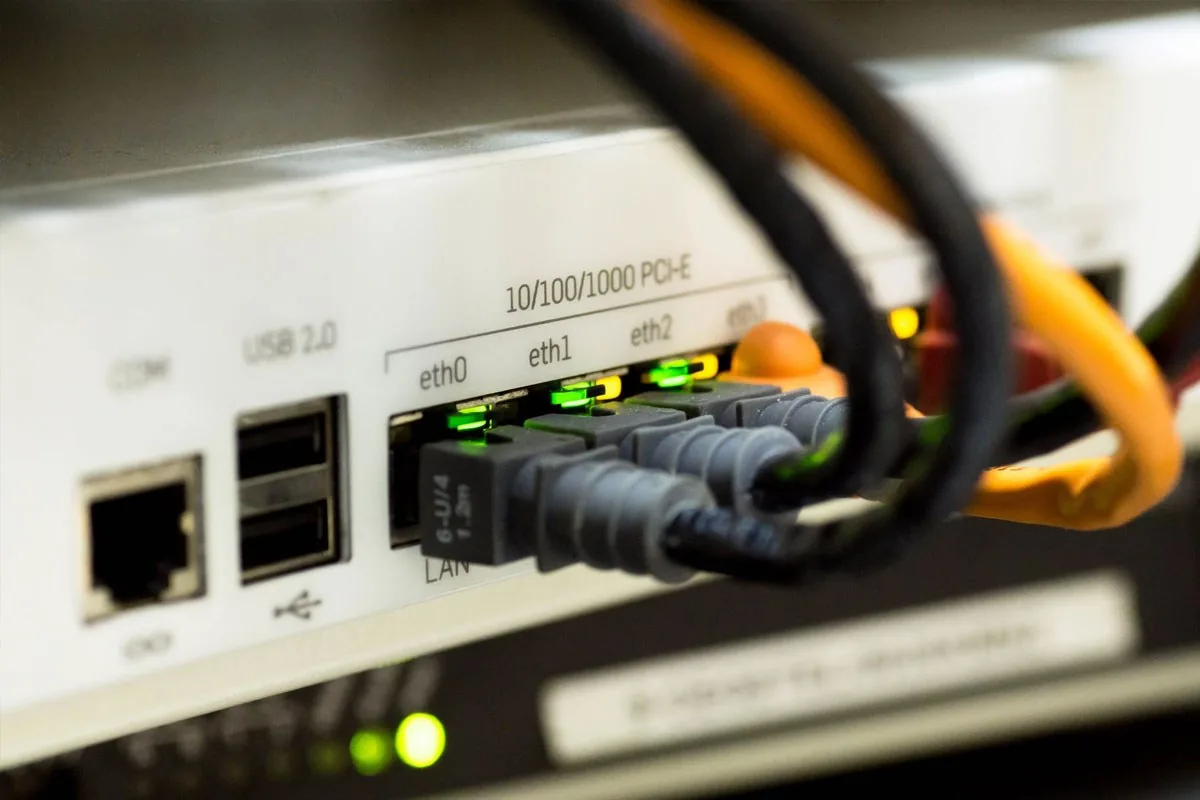
The network is the backbone of everything else in a modern house. It carries the communication between devices, the video and audio signals, and the automation that depends on both. Not all networks deliver the same result, and in larger houses the difference is not subtle.
Fibre carries more bandwidth than even the fastest category wire, which is what lets a house stream hours of 4K HDR without pixelation while lighting responds instantly and the security system keeps working, all at once, rather than one at a time.
It is also more durable. Category wire degrades over time and is vulnerable to weather; fibre is not, and it carries enough headroom that you can keep upgrading equipment for years without the cabling becoming the limit.
Distance is where it earns its keep in a big house. Copper signals degrade as they travel, which nobody notices when the source and the screen are in the same room, and everybody notices when the player is in a rack at the other end of the house, or the music is going to an outdoor system. Fibre holds up over the distances a large property actually involves.
Two more benefits matter less at home than in an office but are worth knowing: symmetric speed, so uploads do not collapse while something large is downloading, and lower latency, which shows up as less delay on anything cloud-dependent.
The practical case is the last one. Fibre means you can start with one room: a theatre, a media room, and grow into a whole-house system without redoing the infrastructure every time something new arrives.
Start a project
Tell us about the space. We'll come out and give you a straightforward plan.
The consultation is complimentary and it starts with a walkthrough or a set of drawings. You will leave it knowing what is realistic in your house, what it costs, and what can wait until phase two.