
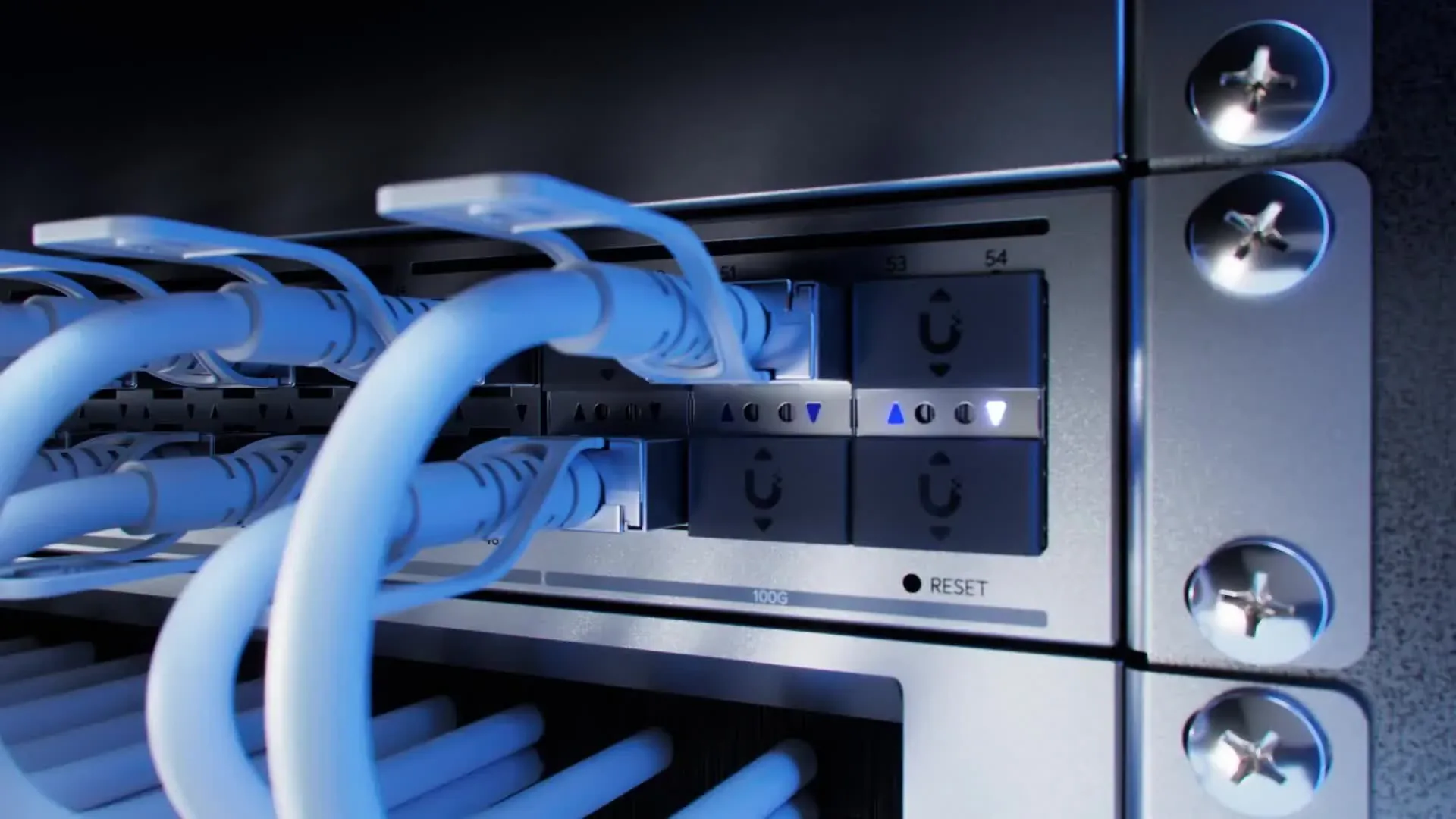
Networking & Wi-Fi · Westchester & Fairfield County
Wi-Fi and networking that reach the whole house, and keep working.
When a smart home lags, music drops out or the video call freezes, it is almost never the device. It is the network underneath it, and that is the thing we fix first.
A smart home is only as good as its network.
Lighting scenes, music in six rooms, shades on a schedule, the thermostat, the doorbell, two people on video calls and three children streaming: all of it rides on one network, and nobody sees it until it fails. Then every fault in the house looks like a broken device. Most of the time it is not. The network was never designed to carry a house.
Westchester and Fairfield County houses are hard on wireless in particular ways. Plaster and lath, with wire mesh behind it in anything built before the war, stops a signal at the wall. Stone, brick and radiant barrier do the same in newer houses. Footprints are large and spread over three floors, and the places people want coverage, the pool house, the garage, the terrace, the barn, are outside the walls altogether. A single router from the provider was built for an apartment and a handful of devices.
We design a network for the house you have. A wired backbone to everything that stays still, access points placed to measurements taken on site rather than guessed from a plan, a managed switch, and outdoor-rated equipment where coverage has to go outside. We build on Ubiquiti UniFi, because it is engineered for this, it scales from a cottage to an estate, and it can be managed from our office in Armonk instead of from your driveway.
The network is also separated. Work stays away from the children's gaming, guests get their own door in, and the house's own systems, lighting, control, climate, are on a network of their own where a visitor's phone cannot reach them. Traffic that matters, video, control, the call you are on, gets priority when everything is running at once.
Because it is wired and watched, it also holds up: a Savant system on a network like this responds the moment you touch the keypad, and the music does not drop halfway through dinner. That is what a professional network buys. Not faster internet. A house that does what it is told.
How we work
- 01
Consultation
We come to the house, hear what is failing and where, and look at what you already own and what you are planning to add.
- 02
Survey and design
We walk the property with a meter rather than a floor plan: walls, distances, outbuildings, where the cable company left the router. The design covers coverage, cabling, security and where the equipment lives.
- 03
Install
Cable run and labelled, access points placed to the measurements, a managed switch, power conditioned and backed up. Our own crew, a tidy finish, a day or two for most houses.
- 04
Test and tune
We check coverage, speed and the handoff from room to room with the devices you actually use, then adjust. The job is done when the far corner works, not when the boxes are empty.
- 05
Watch
Every network we install can be monitored from Armonk. On a service plan, most faults are seen and cleared before anyone in the house has noticed.

Beyond the Wi-Fi
A fast network is not a safe one.
Once everything in the house is on the network, the network is the thing worth protecting. Cyber Security covers the devices and the people; 24/7 Monitoring covers the system.
- Separate networks for family, guests and devices
- Secure remote access, done properly
- Identity and breach protection for the household
- The system watched around the clock
Your house
Wondering what networking & wi-fi would look like, and cost, in your house?
Tell us about the room or the whole house and we will come and look. The calculator gives a planning range before you talk to anyone.
At a glance
Whole-house Wi-Fi
Access points placed to measurements, not to the floor plan. Coverage that is the same in the attic bedroom as in the kitchen.
Wired backbone
Cat 6 or fibre to everything that stays still: televisions, processors, the doorbell, desks, access points.
Ubiquiti UniFi
Enterprise-grade routing, switching and access points, chosen because they are built for a house that is always on.
Separate networks
Family, guests, work and the house's own systems each on their own network. A visitor's phone never touches the lighting.
Outdoors too
Weather-rated access points and buried runs to the pool house, the garage, the terrace and the barn.
Watched from Armonk
Remote monitoring under a service plan. A drive that is filling or an access point that is drifting is fixed before it is an outage.
The equipment
Wired where it can be, wireless where it must be.
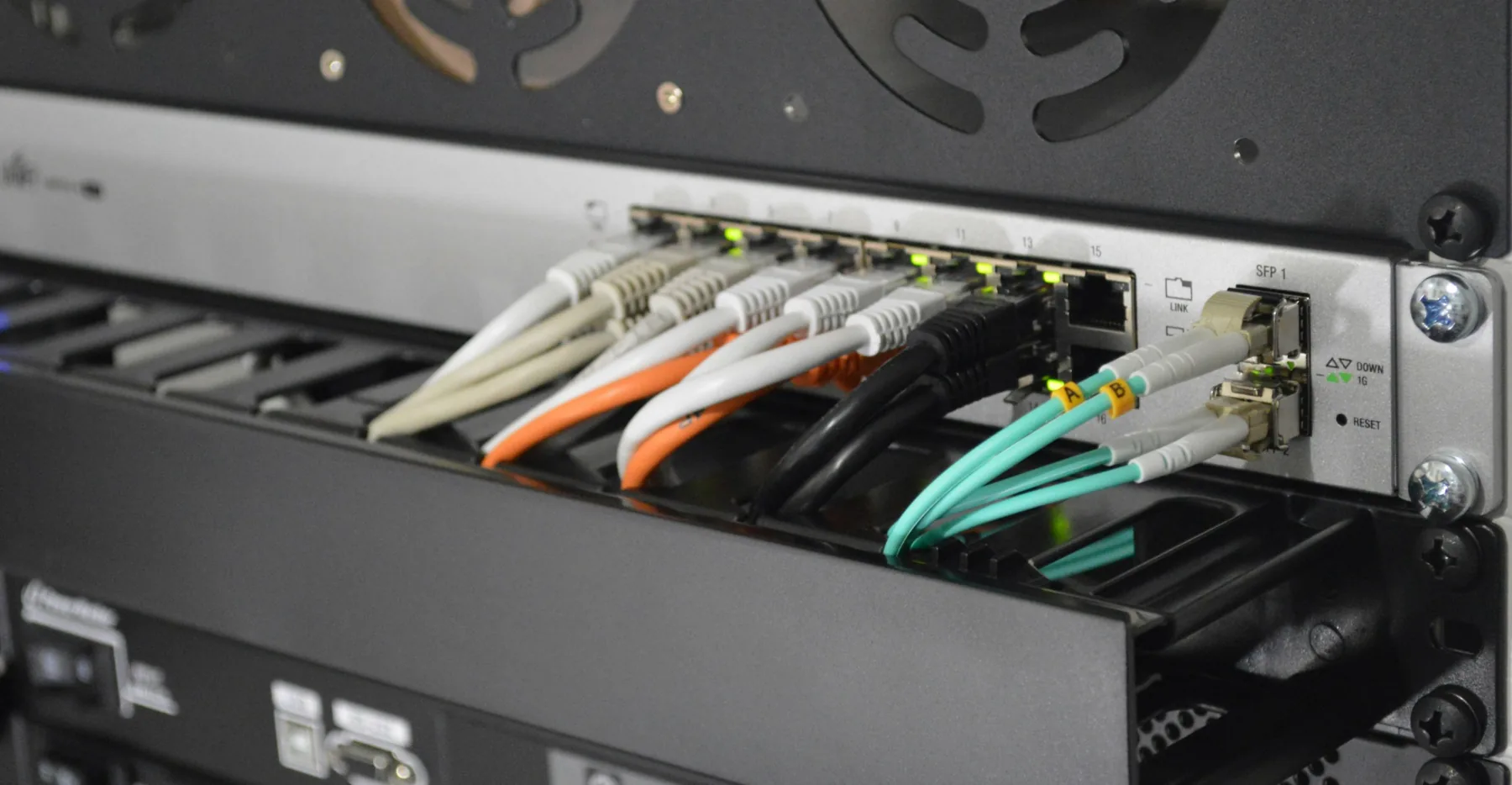
The backbone is wire
Category 6 to every television, access point, processor and desk. Fibre where distances call for it. A managed switch so each run can be seen, named and fixed from Armonk.
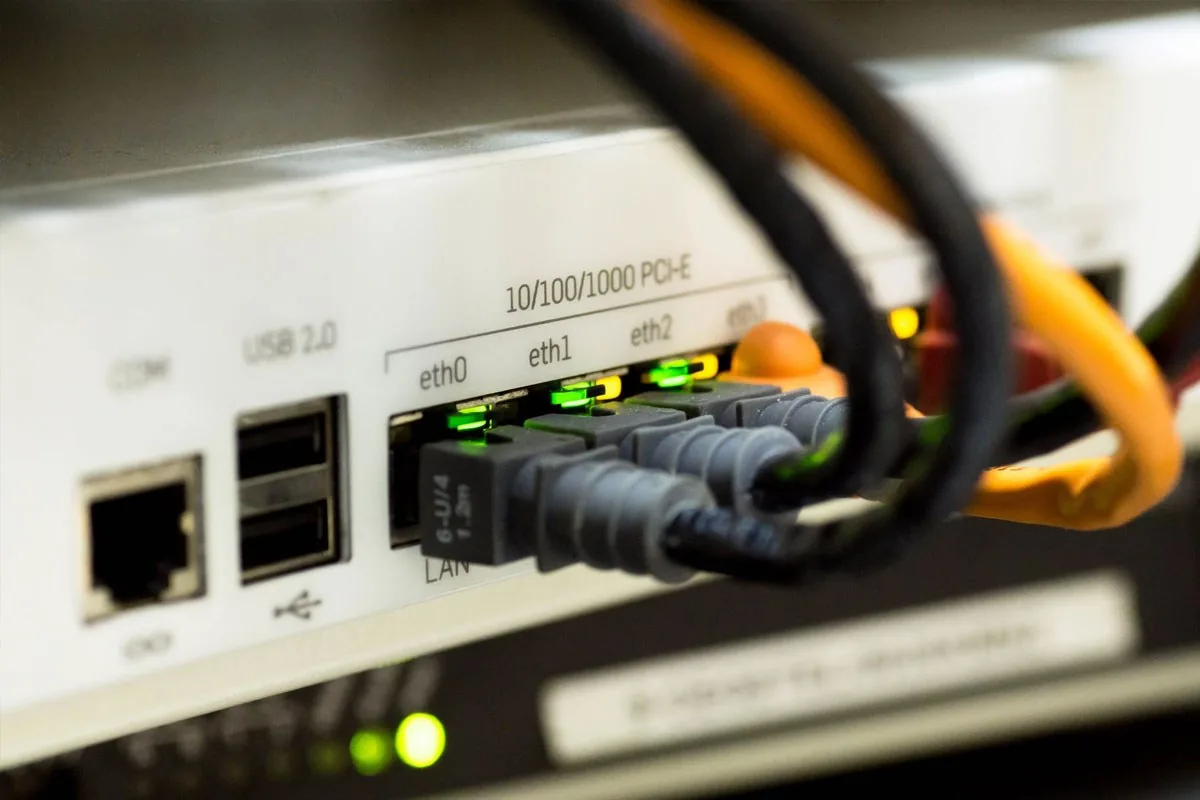
Access points, placed
Ubiquiti UniFi access points, wired back to the switch and positioned to measurements, so the signal is strong in the room you are in and hands off cleanly to the next one.

Everyone at once
A story on the tablet, a film downstairs, two calls upstairs and the house running its own schedule. The network is sized for all of it, so nobody notices the others.
Common questions
What people ask us about networking & wi-fi.
- Why does the Wi-Fi struggle upstairs?
- Almost always the construction. Plaster and lath, and the wire mesh behind it in houses of this period, are very good at stopping a wireless signal. A bigger router does not fix it. Access points placed against real measurements and wired back to a proper switch do.
- Is this not just a better router?
- No. A router from the internet provider is built for a small apartment and a handful of devices. A house here runs streaming, thermostats, work calls, shades, music and a few dozen phones. We survey the property and place equipment against what we measure.
- Does the network really need to come first?
- Yes, and this is the thing we most often have to explain. Music, shades, control and monitoring all sit on top of the network. A system built on a network that cannot carry it fails in ways that look like equipment faults and are not.
- Can you get coverage to the pool house or the garage?
- Usually, with wire to anything that sits still and access points placed rather than hoped at. Long driveways, detached buildings and stone construction all change the answer, which is why we survey before quoting.
- Do you monitor the network after installation?
- Every network we install can be watched around the clock. Most of the time we see a problem and clear it before anyone in the house has picked up the phone. That sits under our service plans.
- We both work from home. What matters most?
- A wired connection to each desk, access points placed so the handoff between rooms is clean, and traffic priority for calls. Then separate networks, so the household's streaming never competes with the meeting. This is the most common reason people in Westchester call us about networking, and it is a day's work in most houses.
- Why Ubiquiti?
- Because it is engineered for exactly this: enterprise-grade equipment that scales from a village house to an estate with outbuildings, holds up under dozens of devices, and can be managed remotely. That last part is what makes our monitoring plans work. We can see the network from Armonk and fix most things without a visit.
- How disruptive is the installation?
- Less than people expect in most houses. Cable gets fished through closets, back stairs and whatever the attic allows. We walk the house first and tell you which rooms are straightforward and which are not.
“The Westchester AV performed a surgical-quality installation in our finished home.”
Afterwards
Looked after by the people who installed it.
Our own crew does the work, so the number you call afterwards is the same one you called at the start. Equipment carries its manufacturer's warranty and we handle those claims rather than handing you a phone number. A service plan adds monitoring, next-business-day response and scheduled visits on top.
Also consider
Start a project
Tell us about the space. We'll come out and give you a straightforward plan.
The consultation is complimentary and it starts with a walkthrough or a set of drawings. You will leave it knowing what is realistic in your house, what it costs, and what can wait until phase two.