
Trade · September 20, 2019
Motorized shades versus blinds, for people specifying them
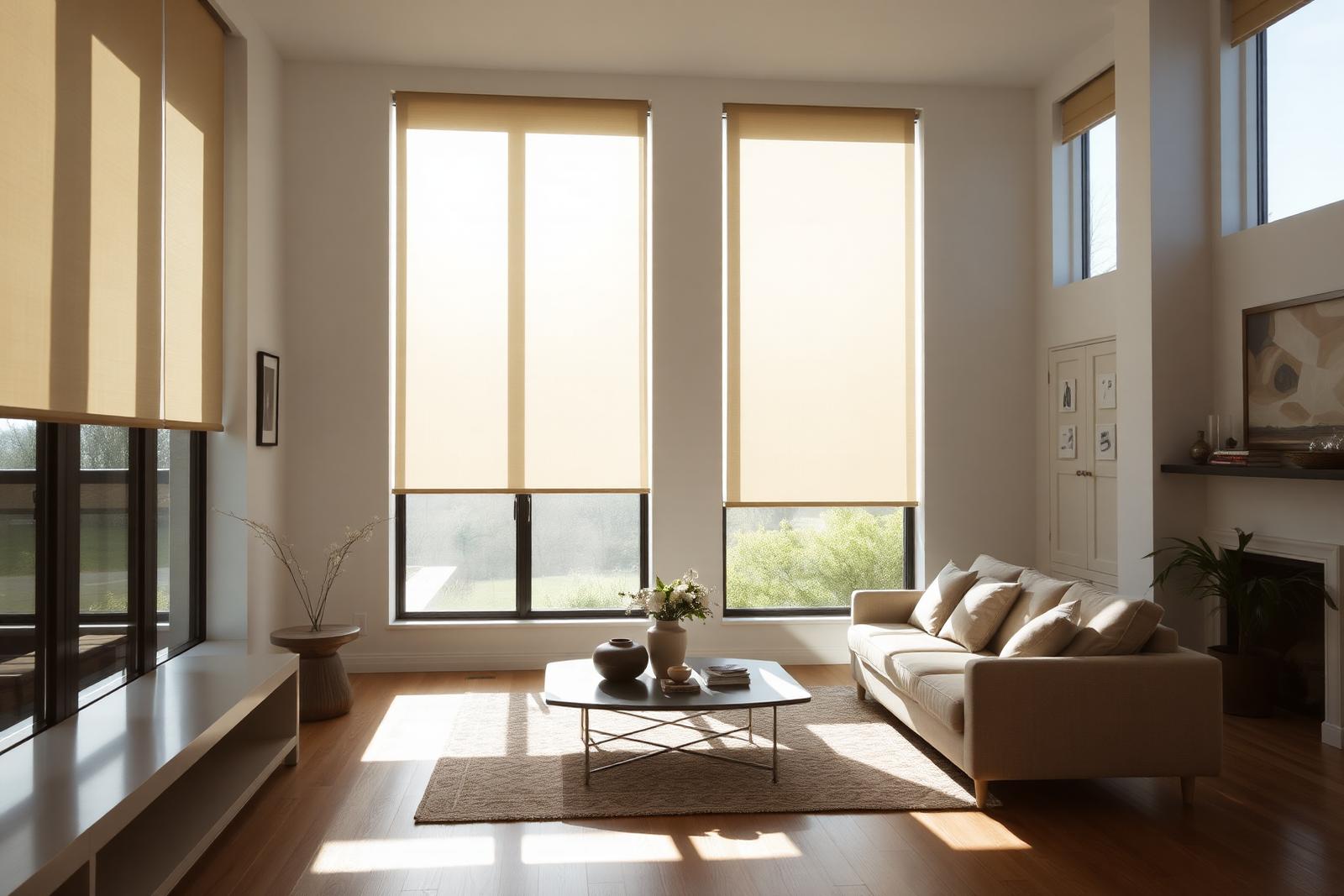
A scheme takes time and money, and the parts of it that touch daily life should do more than look right. Window treatments are the clearest example: the same element can be purely decorative, or it can quietly run itself.
The functional difference is scheduling. Motorized shades can move on time of day or as part of a scene: everything down while the house is empty, so nobody can see in, and up again before anyone is back. They can follow sunrise and sunset rather than a fixed clock. No manual treatment does this, and in a house with a lot of windows it is the difference between a feature that gets used and one that does not.
There is a real energy argument attached. Shades down in summer keep heat and UV out; up in winter to let sunlight do some of the heating. The saving is not dramatic on one window and is very noticeable across a large elevation, and the point is that it happens whether or not anyone remembers.
None of which requires compromising the scheme. Lutron's range covers roller, pleated and Roman styles across a wide span of fabrics and colours, made to size, with wall plates that can be specified alongside everything else in the room.
The short version, for a designer weighing it: manual treatments are a finish. Motorized treatments are a finish that also does something.
Start a project
Tell us about the space. We'll come out and give you a straightforward plan.
The consultation is complimentary and it starts with a walkthrough or a set of drawings. You will leave it knowing what is realistic in your house, what it costs, and what can wait until phase two.