
Smart Home Planning · May 31, 2019
Where a DIY smart home runs out of road
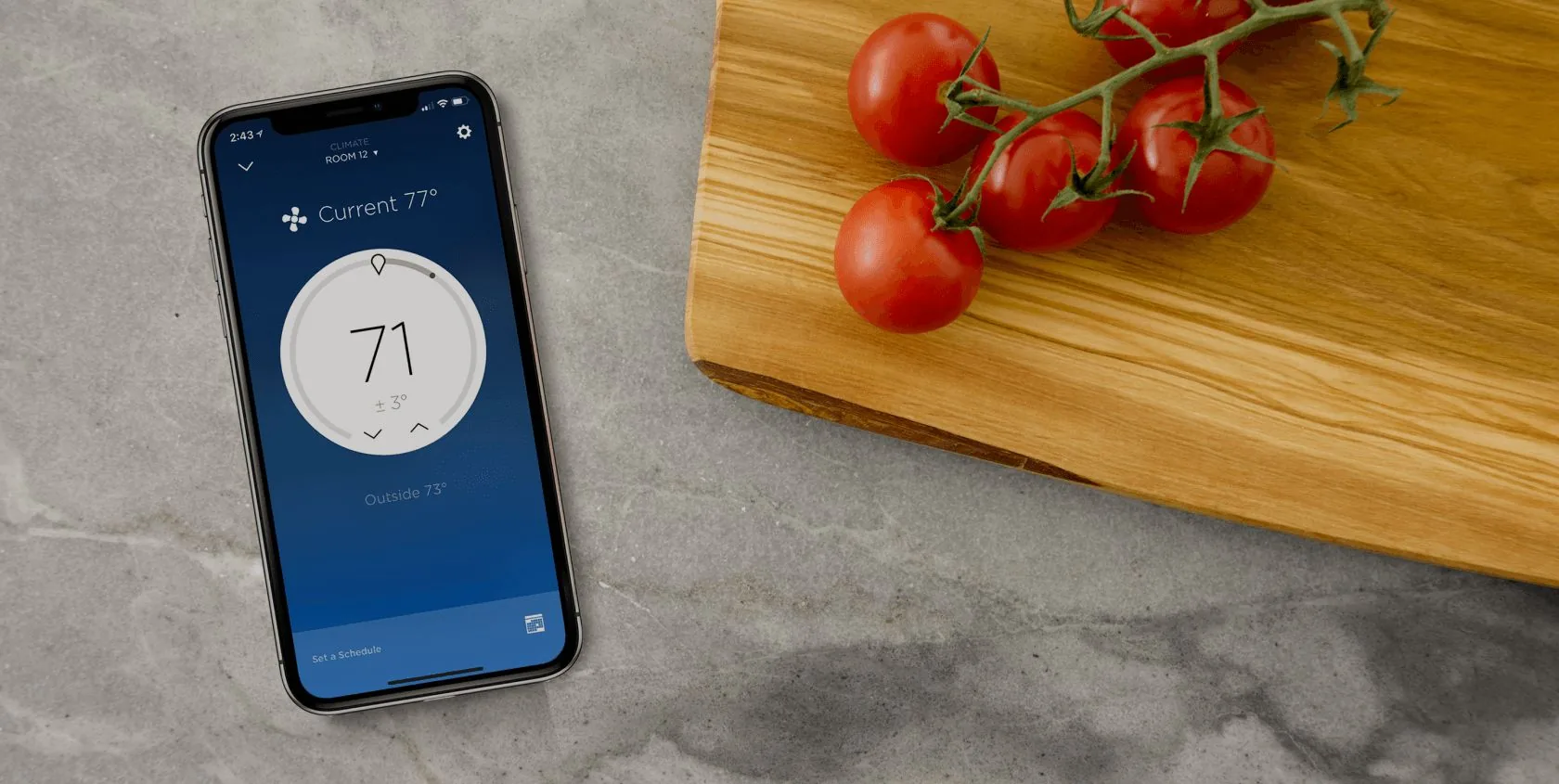
Every connected product you buy arrives with its own app. One for the thermostat, one for the video doorbell, one for the lights, one for the shades. Each works. Collectively they are a filing problem, and the promise of convenience quietly inverts.
A properly integrated system puts all of it behind one interface, remotes, phone and tablet apps, wall keypads, touchscreens, and you choose the hardware while we handle making the controls behave as one thing.
The bigger issue is underneath. Everything called "smart" depends on the network, and a house whose network was never designed for several dozen connected devices will show it: slow response, buffering, controls that hesitate. The failure is rarely in the device you are blaming.
That has a security dimension too. Each device is a door, and a network assembled without much thought is a set of doors nobody checked. We configure the network deliberately, work with your provider, and use commercial-grade hardware so it holds up now and has room for whatever gets added later.
The last thing DIY kit cannot really do is cooperate. The doorbell does not know about the locks; the lights do not know about the thermostat. Integration is what lets one press change the temperature, turn on the television and lower the shades together, and then lets you build as many of those as suit how you actually live.
Start a project
Tell us about the space. We'll come out and give you a straightforward plan.
The consultation is complimentary and it starts with a walkthrough or a set of drawings. You will leave it knowing what is realistic in your house, what it costs, and what can wait until phase two.