
Lighting · July 23, 2019
Circadian lighting, explained plainly
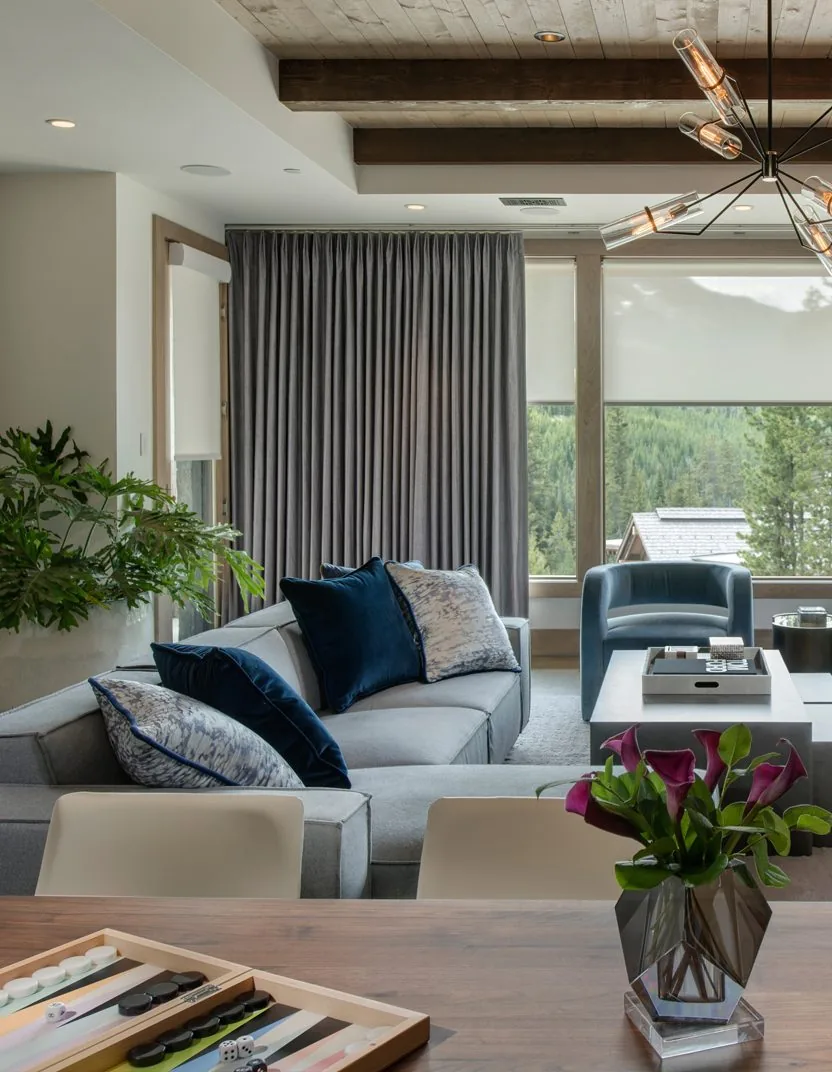
Daylight is not one colour. It runs cool and bright in the morning, which is what tells your brain to be alert, and warm and low in the evening, which is what tells it to wind down. Sunlight also prompts serotonin, which is why a grey week feels the way it does.
The problem is that people now spend as much as ninety percent of their time indoors, under lighting that is a single fixed colour all day. A room lit identically at seven in the morning and eleven at night is giving your body no information at all.
Circadian lighting, tunable white, shifts colour temperature through the day to approximate what the sun would be doing. You get the cue even when you are inside, even when it is overcast, even in December when the useful daylight is four hours long.
The reason it matters is sleep. Circadian rhythm governs sleep cycles, and one-tone lighting, or the wrong tone at the wrong hour, makes it harder to fall asleep, harder to wake properly, and harder to stay asleep through the night.
It is also useful deliberately. Children doing homework after school under warm evening light will fade; cooler white holds concentration. The same system that helps you wind down at nine can help somebody focus at four.
On control, our recommendation is almost always to leave it alone. Set it on a schedule so it moves through the day by itself, the way daylight does, and override it by keypad or app on the occasions you actually want something different.
Start a project
Tell us about the space. We'll come out and give you a straightforward plan.
The consultation is complimentary and it starts with a walkthrough or a set of drawings. You will leave it knowing what is realistic in your house, what it costs, and what can wait until phase two.