
Networking · September 12, 2019
The signs your network is the actual problem
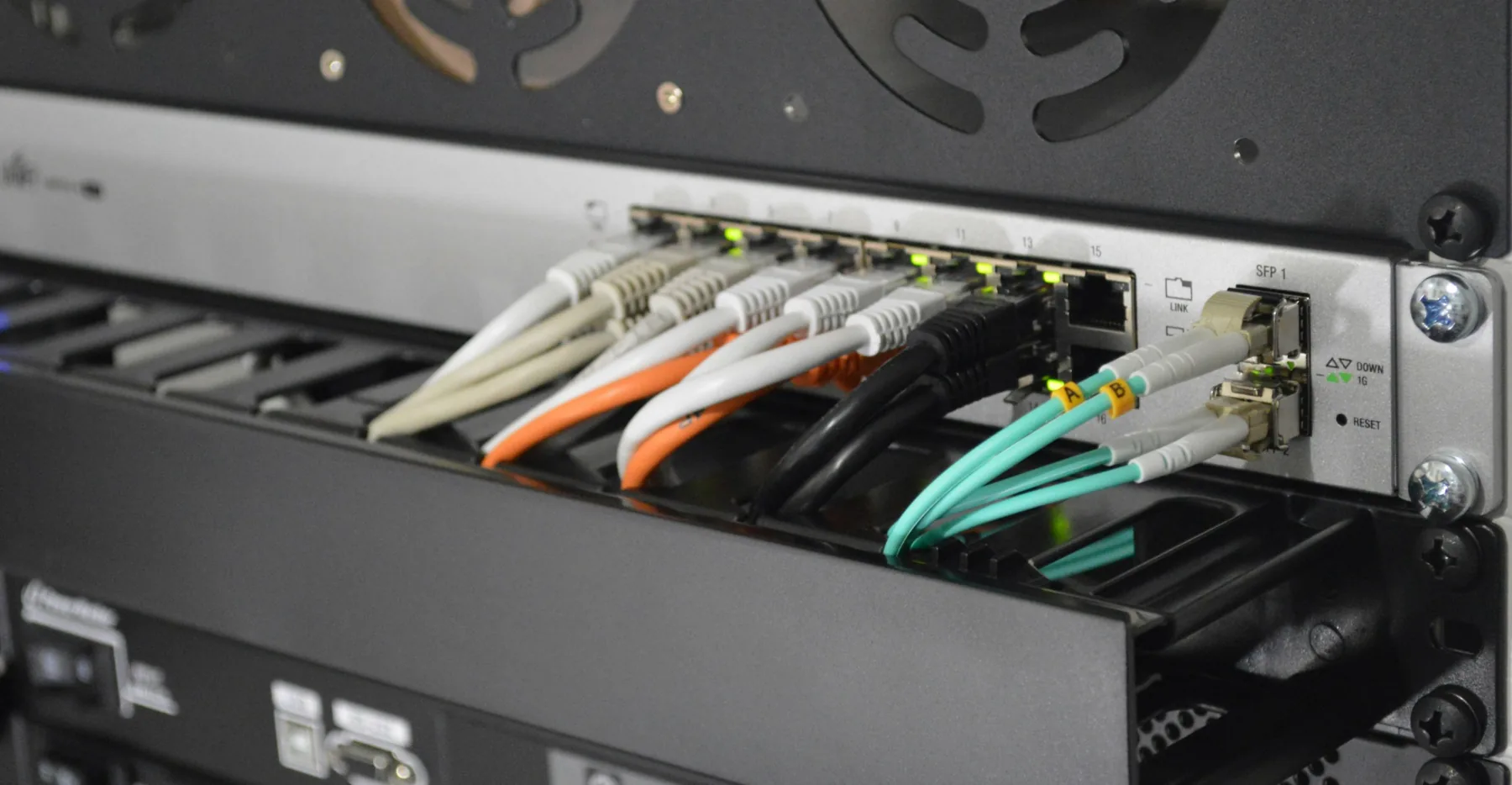
Every new device leans on the same network, work calls, wireless speakers, locks, doorbells, thermostats. The load grows steadily and nothing announces the point at which the network stopped coping.
The first symptom is congestion. More devices means more traffic, and without management you get bottlenecks: a call freezing, audio and video drifting out of sync. Two things fix it, hardware with enough bandwidth to carry the load, and software that prioritises traffic so the things that matter get served first rather than competing with a background download.
The second is dead spots, and they usually appear because the system was designed for the rooms people used at the time. Then a speaker goes in the kitchen, or someone wants to use a tablet in the garden, and the coverage simply is not there. The answer is wired backhaul: switches for more wired connections, and access points fed by those wires so coverage is even rather than optimistic.
The third is security, and it is the one most people have never addressed at all. Every connected device is another entry point. Equipment with proper encryption, VPN capability and firewalling matters, and so does keeping firmware current, since that is how security patches arrive.
Where a professional installation adds something beyond hardware is segmentation, separating parts of the network so that a device being compromised does not mean the whole house is. If something does get in, it should reach one segment and stop there.
Start a project
Tell us about the space. We'll come out and give you a straightforward plan.
The consultation is complimentary and it starts with a walkthrough or a set of drawings. You will leave it knowing what is realistic in your house, what it costs, and what can wait until phase two.