
Smart Home Planning · April 12, 2019
One system, not a drawer full of apps
Count the apps. There is one for the thermostat, one for the doorbell, one for the front door lock, one for the bulbs in the lamps, one for the shades, one for the television, one for the speakers, one for the garage door and, in a surprising number of houses, one for the sprinklers. Each of them works. Each of them has a login, an update schedule and an opinion about notifications. Together they are not a smart home. They are a filing problem that lives in your pocket.
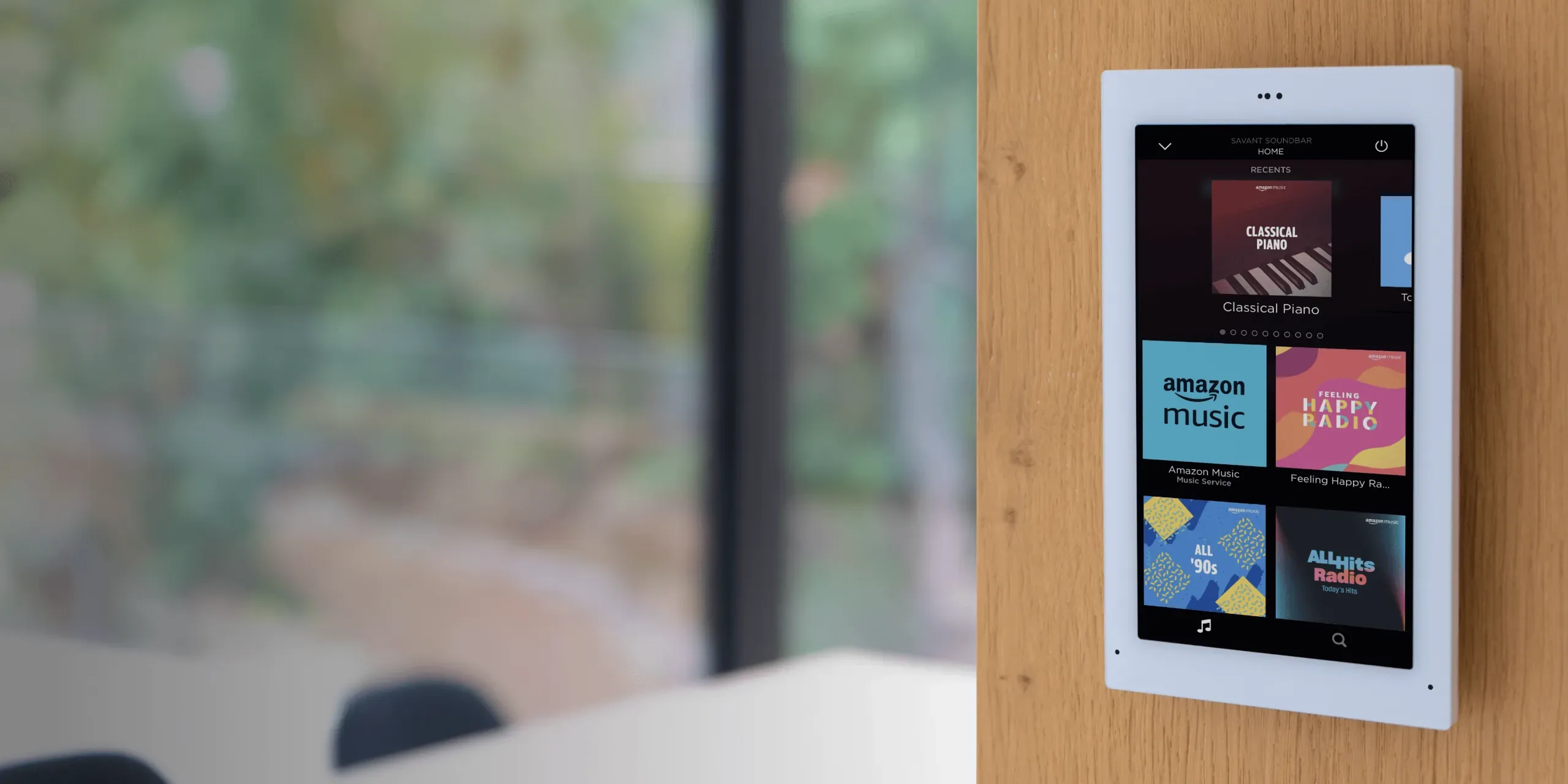
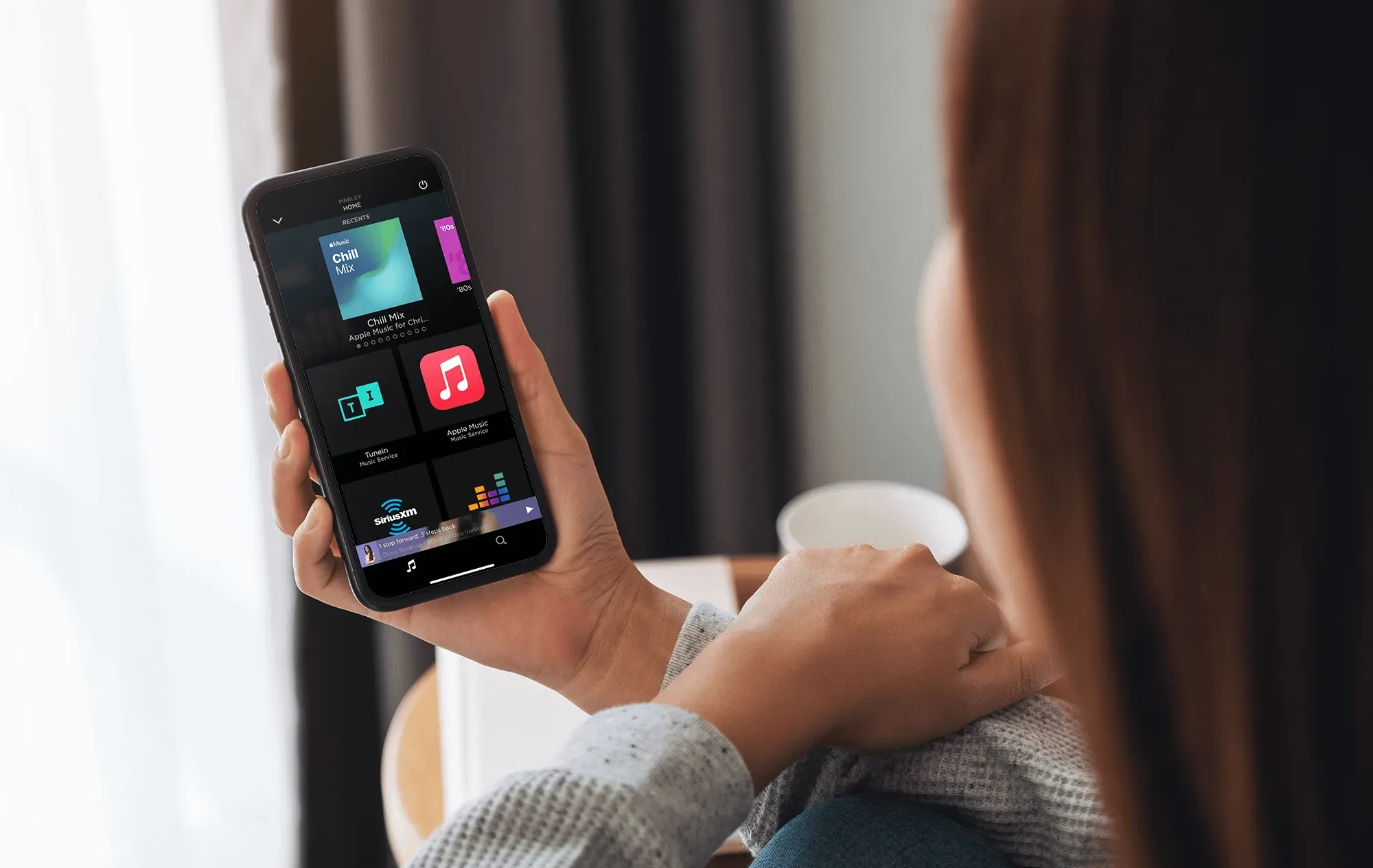
Integration means one system owns the house. The thermostats, the lights, the shades, the music, the television and the door all report to one controller, and that controller is what you talk to, from a keypad by the door, a panel in the kitchen, a remote on the sofa, the phone when you are out, or a watch if that is how you live. The phone is one way in. It is not the only way in, and in a house that works it is not even the main one.
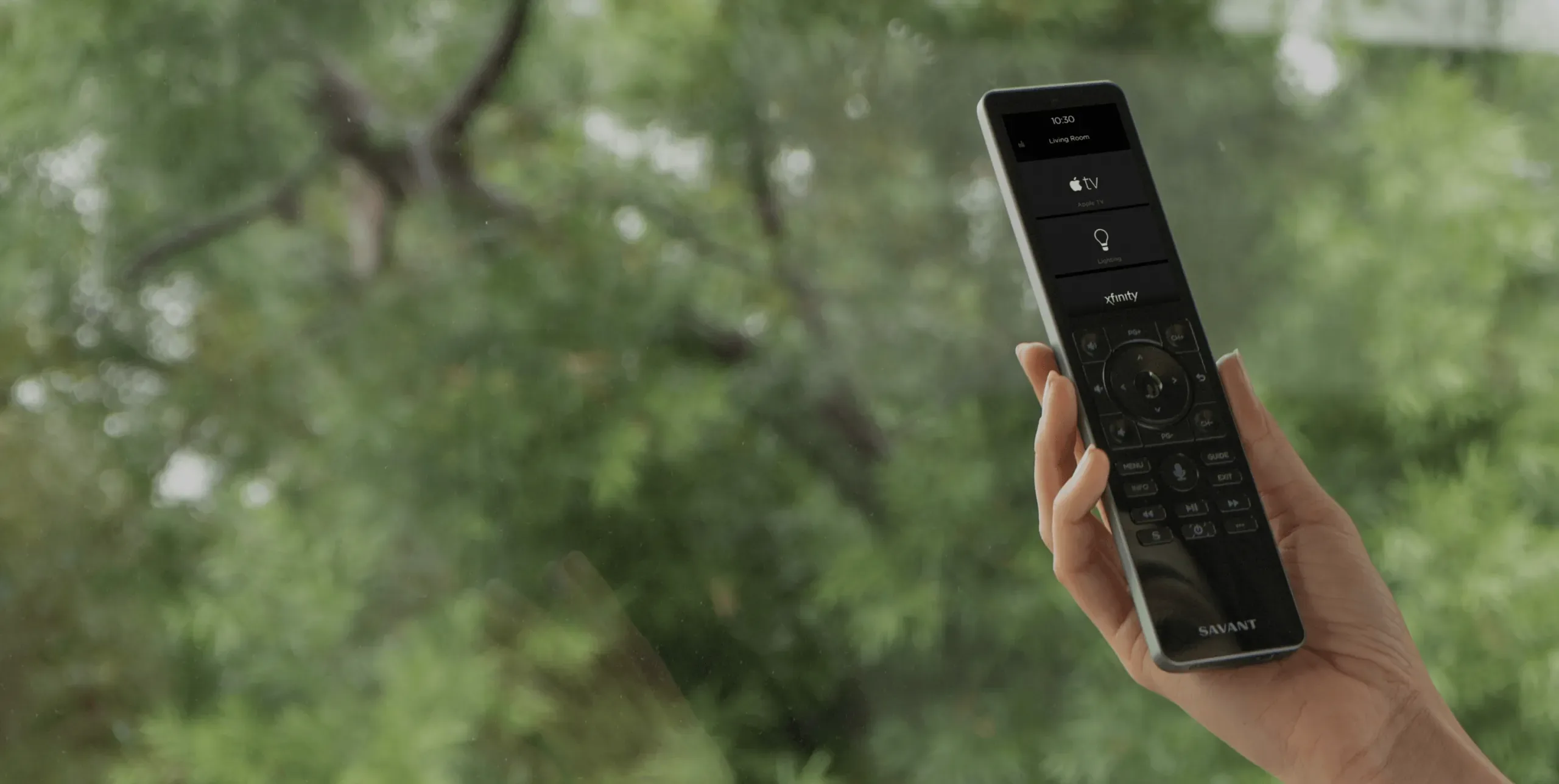
The test is who else lives there. A phone full of apps works for the person who set it up. It does not work for the babysitter, the in-laws for a week in August, a twelve-year-old, or the cleaner on a Tuesday. A keypad by the door with four engraved buttons works for all of them, and so does a remote with the television, the music and the lights for that room on it and nothing else. If the house only works for one adult, it is not finished.
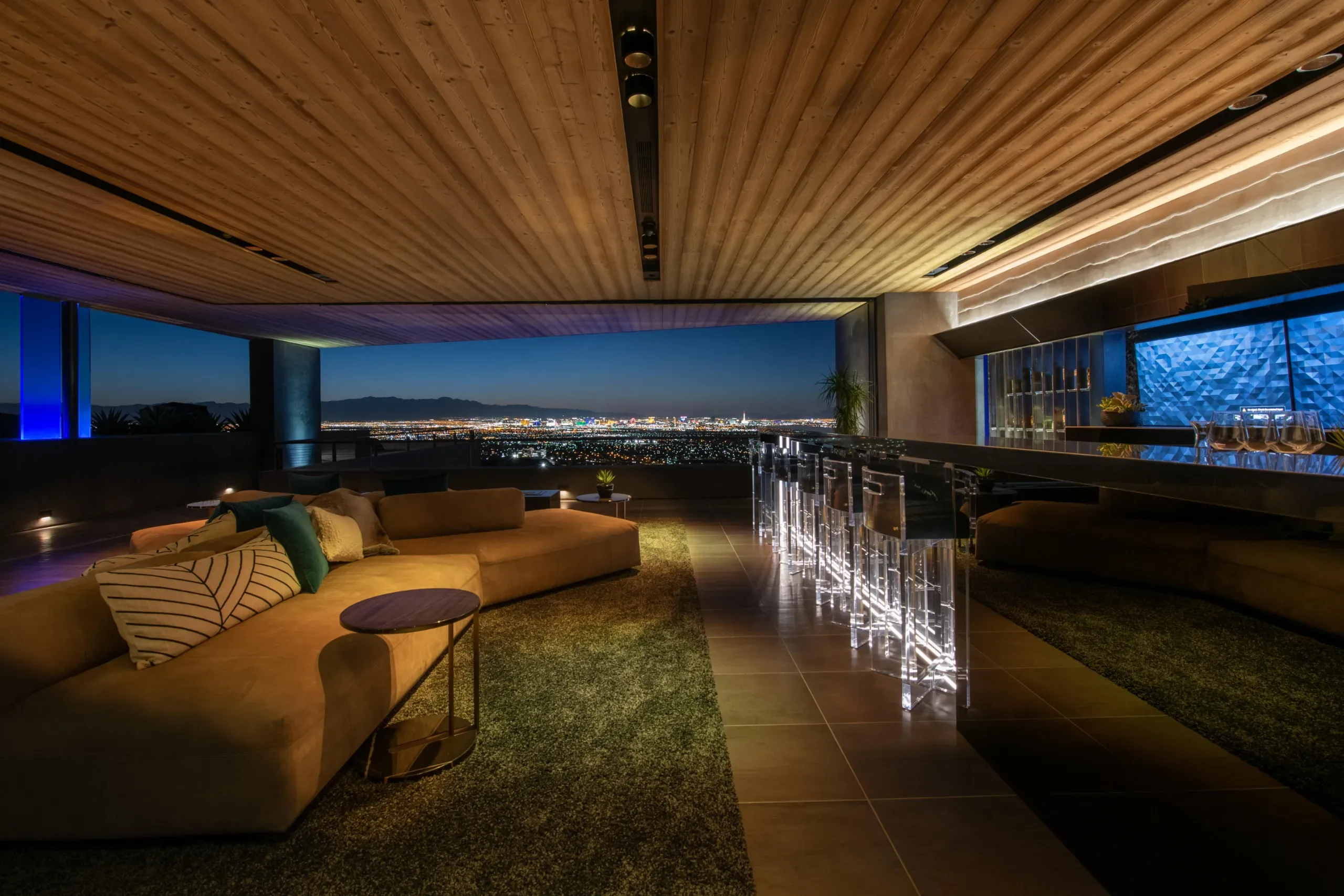
Most of the value shows up as scenes, and the useful ones are unglamorous. Away, pressed on the way out, turns off every light and every television, drops the shades on the sunny side, sets the thermostats back and leaves the porch alone. Welcome does the reverse from the car. Goodnight does Away from the bedside and leaves the hall at ten percent. Nobody walks the house checking lamps, and nobody gets a text from the thermostat.
The away scene is the one people underrate. A house that is obviously dark for a fortnight says so to the street. With the lights and the shades on the system, Away runs something close to a normal evening while you are gone: the kitchen at dusk, the living room until ten, the bedroom briefly, then off, with the timings moving with sunset so it does not look like a timer. It is a better deterrent than any camera and it costs nothing to run.
Then the pleasant ones. Shades rising with the music in the morning instead of an alarm tone. A dinner scene that sets the lights, the volume, the temperature and the shades in one press. A movie scene that does the same in the family room and dims the hall so the room stays dark when someone goes for a drink. What makes these easy is that they are captured from a state you have already set by hand: get the room the way you want it, save it, and that is the scene. Changing it later is the same thing again.
There is a reliability argument as well, and it matters more than it used to. Each app in the drawer depends on its maker's servers, its maker's account system and its maker's willingness to keep supporting the device. When one of those goes down, that part of the house goes with it. A Savant house runs on a controller in the rack, locally, and the lights come on whether or not somebody's cloud is having a bad afternoon. The internet is for reaching the house from outside, not for turning the lights on inside it.
Not everything belongs on the system, and knowing where to stop is part of the job. We integrate the things that get touched every day: light, shade, heat and cooling, music, video, the front door, the garage, the gate. A refrigerator with a screen, a kettle with an app and a toothbrush with Bluetooth stay where they are. The point is fewer decisions, and a system that asks you to manage the toaster has missed it.
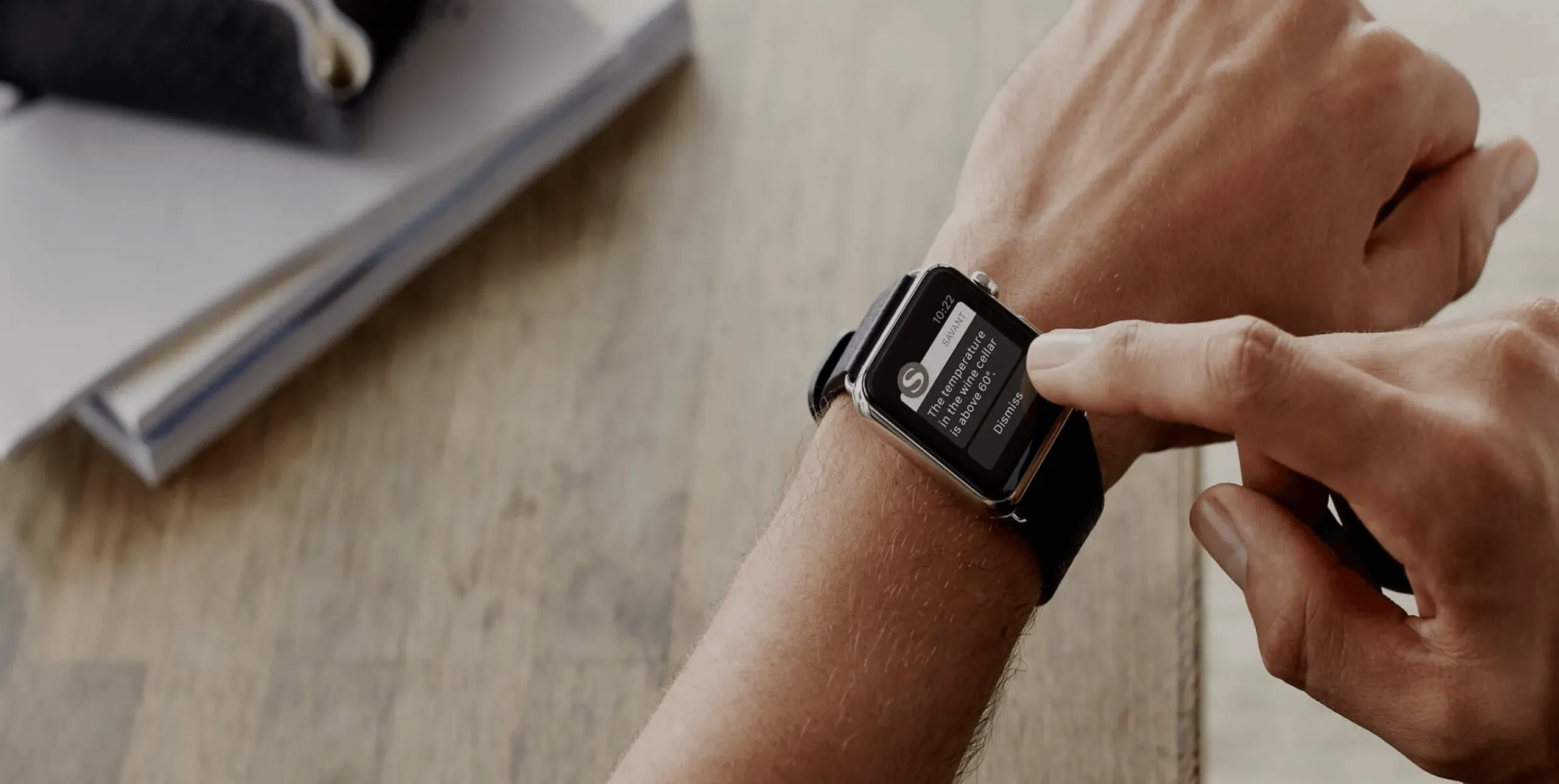
How we build it is simple to describe. Savant is the house: it owns the devices and runs the scenes. Lutron does the lighting and the shades inside it, because that is what Lutron is best at. Sonos can live inside it as a music source where that suits. One keypad per room, one remote where there is a screen, one panel in the kitchen, and the app on the phone for when you are away. The smart home control page has the detail, and a day at home shows what a Tuesday looks like when the house is doing the remembering.
If your house already has the drawer of apps, most of what is in it can be brought onto one system without replacing it. Tell us what is in the drawer and we will tell you what connects.
Start a project
Tell us about the space. We'll come out and give you a straightforward plan.
The consultation is complimentary and it starts with a walkthrough or a set of drawings. You will leave it knowing what is realistic in your house, what it costs, and what can wait until phase two.