
Smart Home Planning · July 10, 2019
The case for one app: and when it isn't the answer
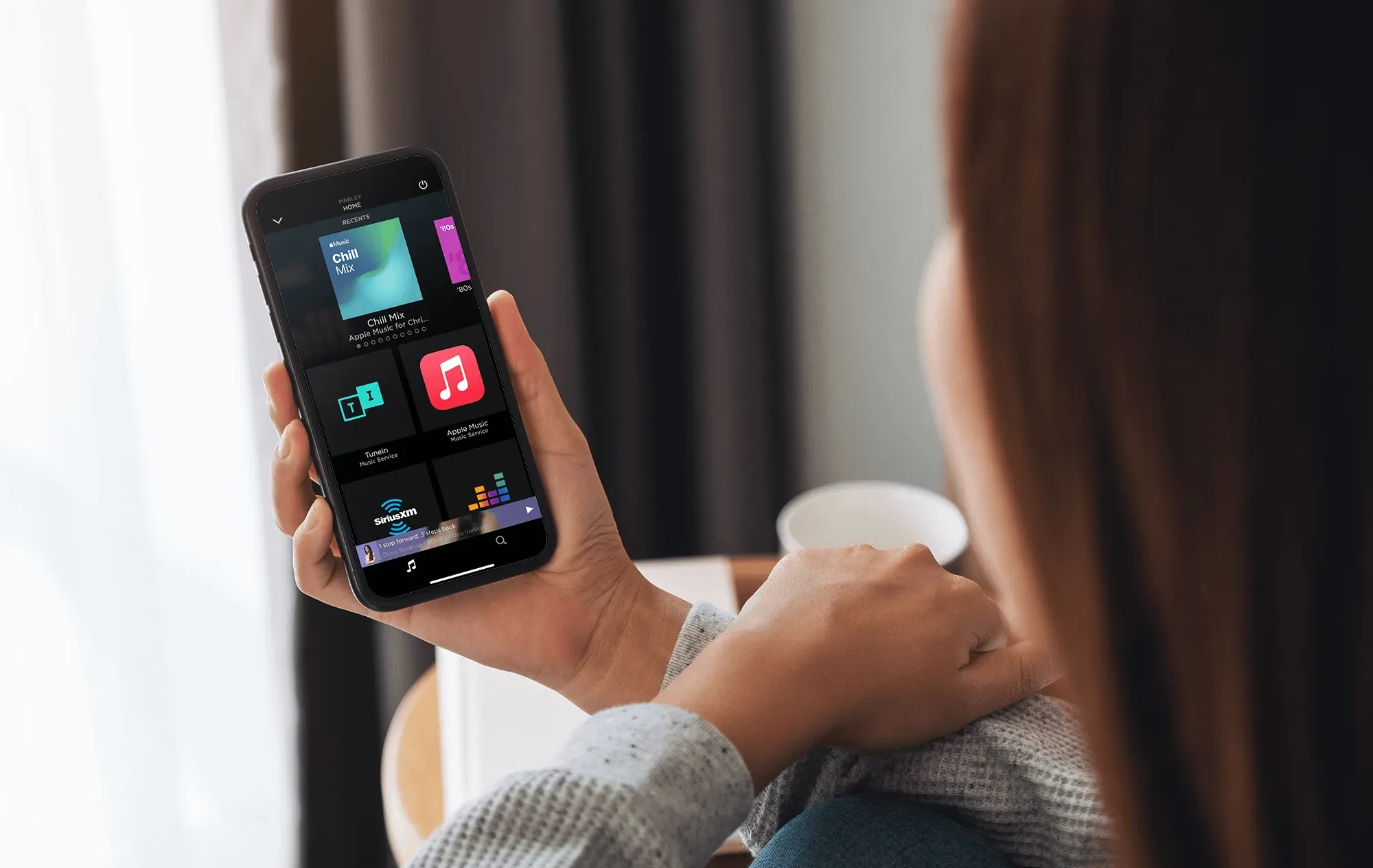
The clearest difference between assembling smart devices and installing a system is how many apps you end up with. Individual products each bring their own; an integrated system puts lighting, audio, video, climate and security behind one interface with one set of habits to learn.
Reducing clutter is the obvious benefit and the least interesting one. The real gain is that devices under one roof can act together: a scene that dims the lights, closes the shades and starts the film, saved once and repeated with a press.
There is a security argument too, and it is more concrete than it sounds. Every device you reach remotely is another way into your home network. Several devices with several apps means several openings, each only as good as whoever wrote it. One well-defended entry point is easier to secure than a dozen adequate ones, which is why the systems we install come with network work attached, encryption and firewalling as part of the job.
Where one app is not the answer: if the budget means starting in a single room, or you genuinely only want two or three devices in specific places, a full system is premature. Start where it earns its keep and grow into it.
There is also a middle path that some clients prefer, splitting control by purpose rather than by device. One app for the environment, covering lighting, climate, shading and security; another for entertainment. Two apps chosen deliberately beats ten that accumulated.
Start a project
Tell us about the space. We'll come out and give you a straightforward plan.
The consultation is complimentary and it starts with a walkthrough or a set of drawings. You will leave it knowing what is realistic in your house, what it costs, and what can wait until phase two.