
Smart Home Planning · April 2, 2026
Lighting scenes that age well
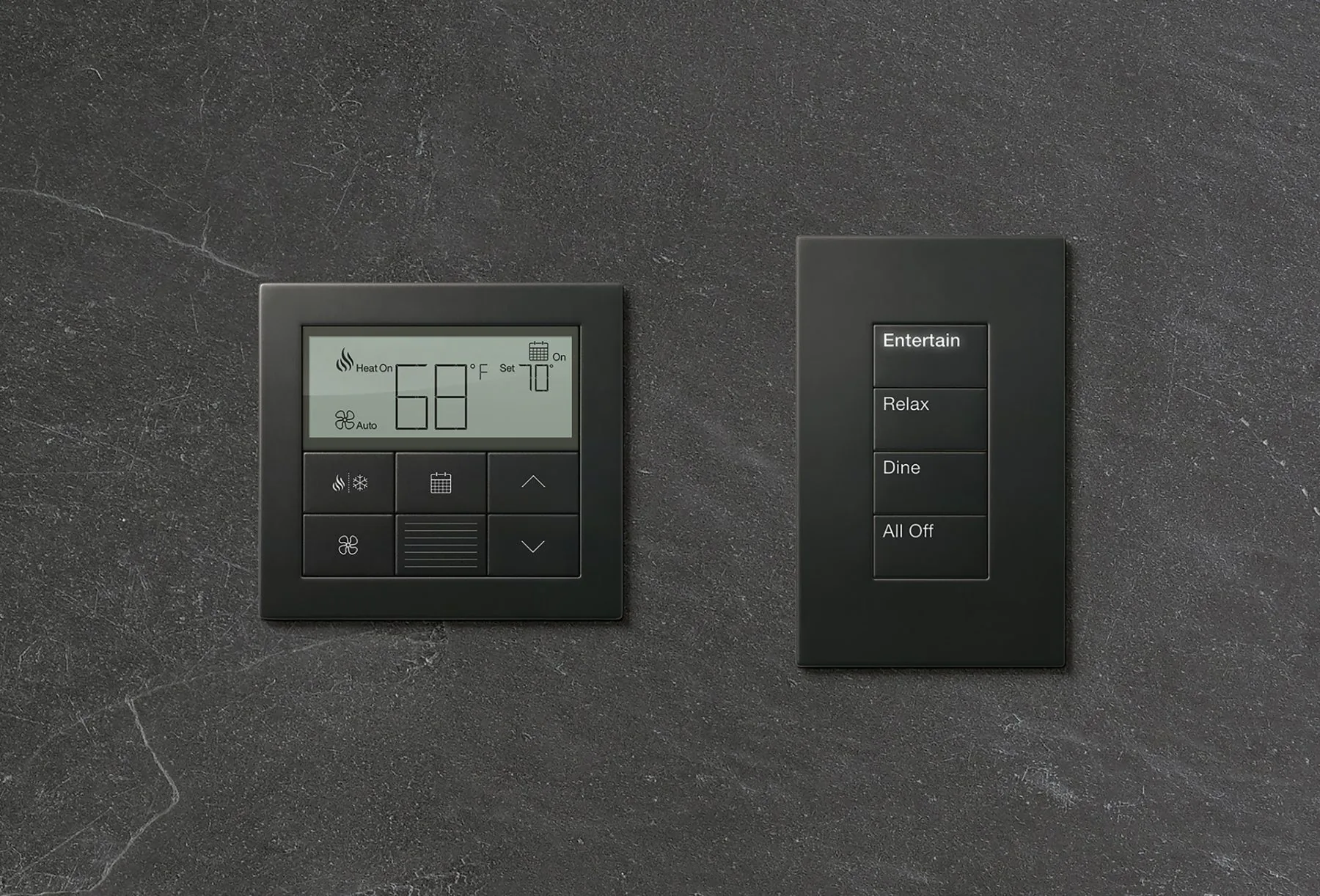
A lighting system commissioned at handover is an educated guess. It is programmed in an empty house, in one season, at one hour of the day, by people who do not sleep there. The furniture is not in, the art is not up, and nobody yet knows which chair the household reads in. So the first version of the scenes is written to a drawing and to thirty years of other people's houses, and it is usually about eighty percent right.
The other twenty percent only shows up by living there. The kitchen is too bright at breakfast because the recessed lights were set for cooking, not for coffee. The upstairs hall comes on at full when someone checks on the baby at two in the morning. The scene called Entertain has never been pressed, because the household does not entertain in that room, and the scene they actually want, the one for homework at the island, does not exist. None of this is a fault. It is information that was not available in May.
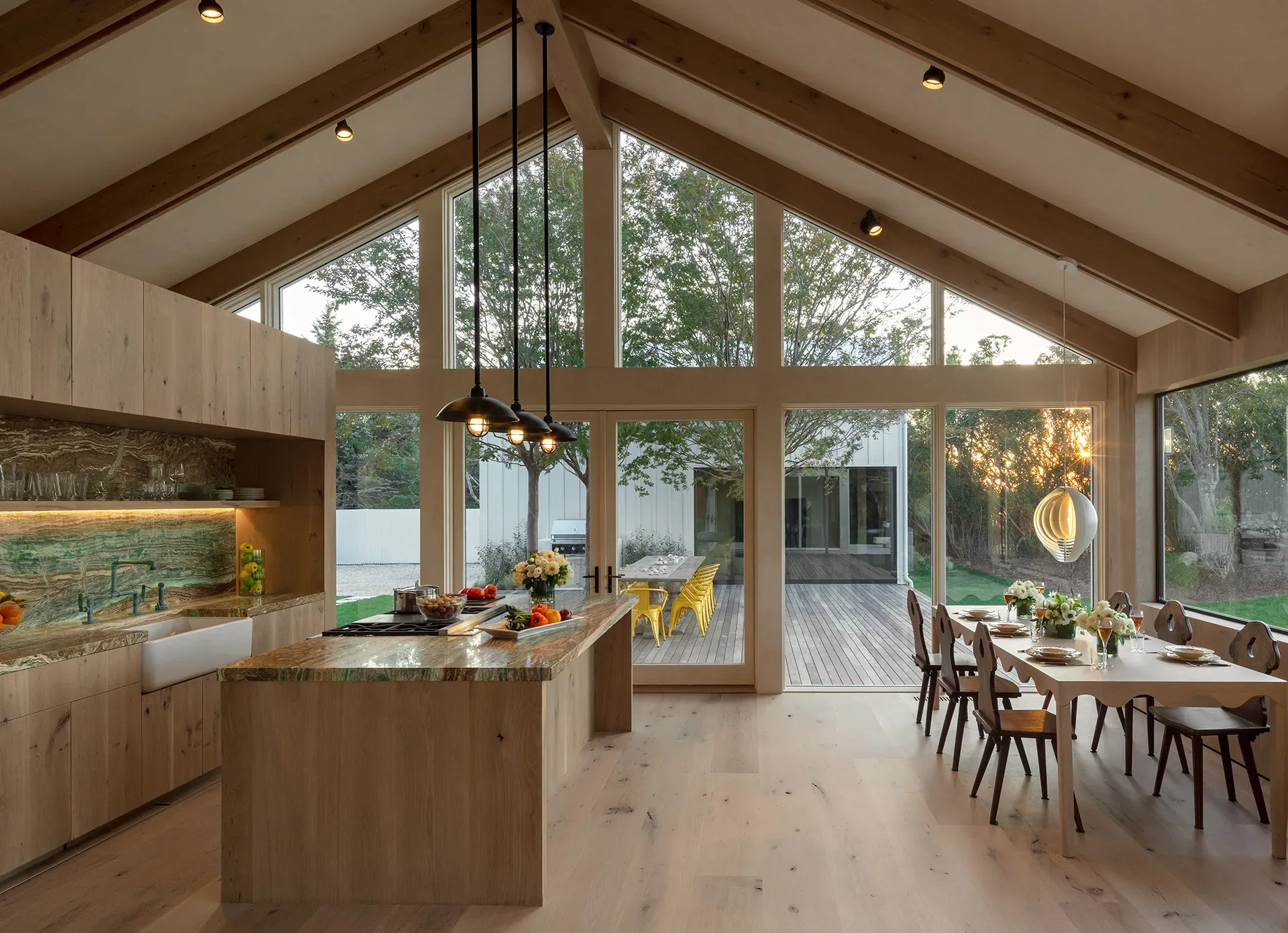
So we come back. After a season, once the house has been lived in through a few weeks of early dark and a few of late light, we walk it with the owner and rewrite. Breakfast goes to forty percent and warm. The hall gets a night level, ten percent, that it uses on its own between eleven and six. Entertain is deleted and Homework takes its button. The revision is small, an hour or two, and it is the whole difference between a system people tolerate and one they rely on.
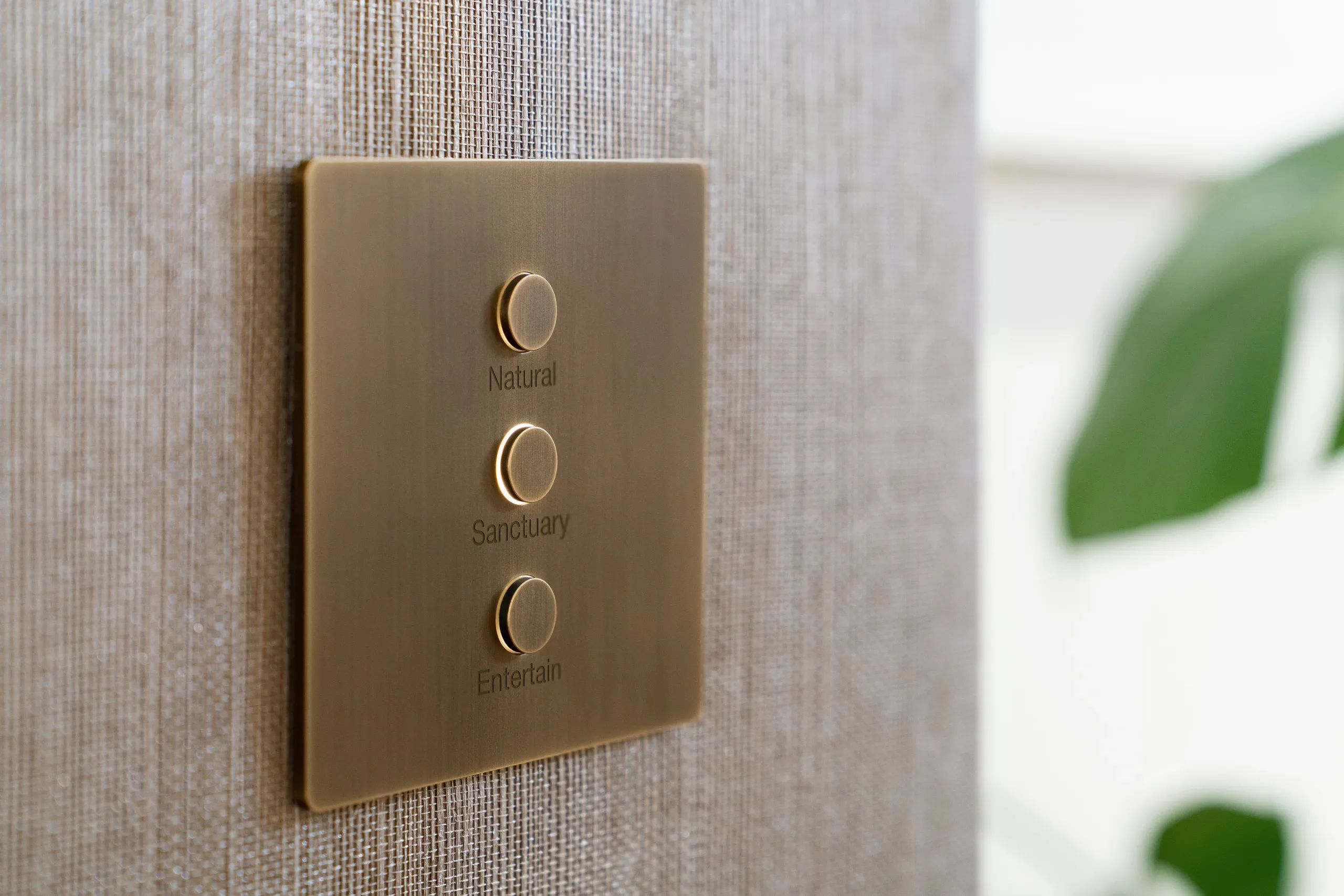
This is also why we do not engrave the keypads at handover. A Lutron keypad can carry the scene names on the buttons, and it should, because a button that says Dinner is pressed and a button that says Scene 3 is not. But engraving is permanent, and a name chosen before the house is lived in has a fair chance of being the wrong one. The buttons go in blank or with temporary labels, the household learns what it actually does, and the engraved set is ordered after the revisit. It is a small discipline that saves a lot of regret.
Good scenes are also few. Four presses that always do the right thing beat twenty clever ones every time, because nobody remembers twenty. In most rooms the set is a bright one for cleaning and finding things, a normal one for living, a low one for the evening, and off. Whole-house scenes sit on the keypad by the door and the one at the bedside: Away, which turns everything off and leaves the porch on; Goodnight, which does the same from upstairs; and a Welcome that brings the path, the hall and the kitchen up at dusk when someone is due home.

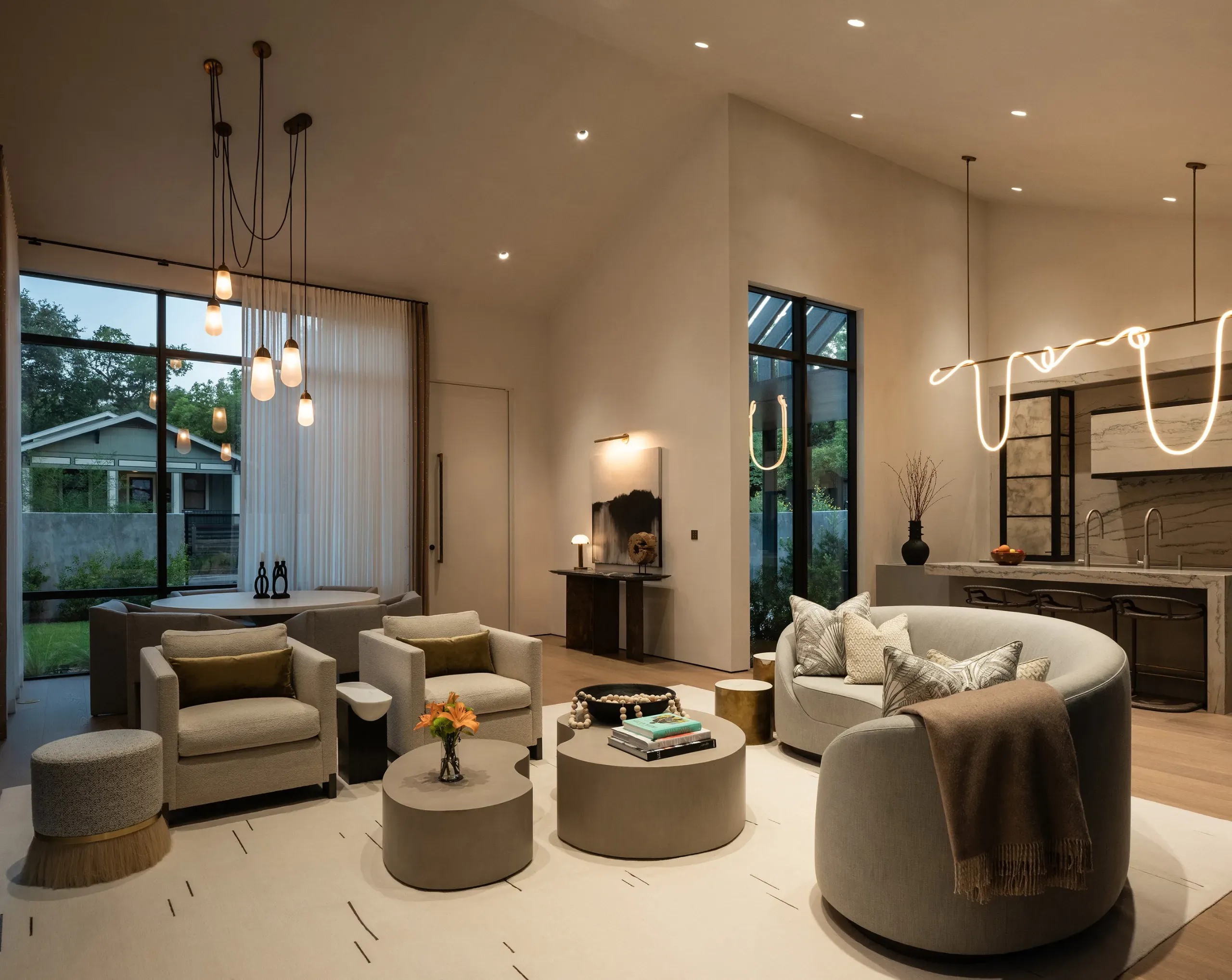
Levels matter more than people expect, and the number that matters most is the default. A room that comes on at one hundred percent every time is an office. Most living rooms are right somewhere between forty and sixty, with the lamps doing more than the ceiling, and a fade of two or three seconds so nothing snaps. One hundred percent is a button you press on purpose. Where the fixtures allow it, the colour of the light follows the day as well, cooler in the morning and warmer after dinner, and that is set once and then left alone.
Some of the best programming is the kind nobody presses. Closets, the pantry, the mudroom and the powder room get occupancy sensors, so the light is on when someone is in there and off when they are not, and no scene is needed. The outside lights follow sunset for the address, so the schedule is right in June and in December without anyone touching it. The hall night level runs on the clock. The more the house does on its own, the fewer buttons it needs on the wall.
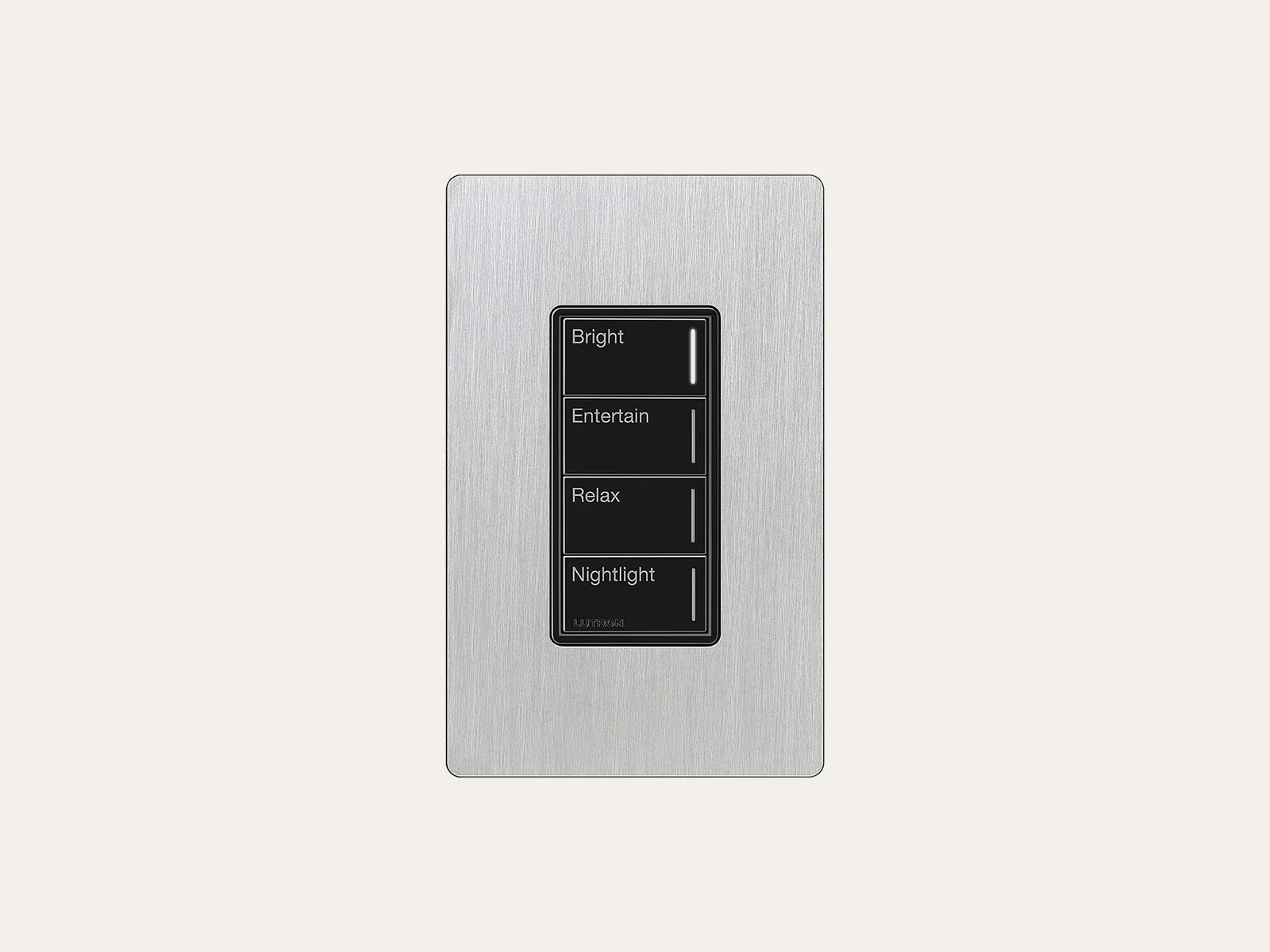
Houses change, and the scenes should change with them. A baby arrives and the nursery needs a feeding level. The children get older and the homework scene moves to a bedroom. A renovation adds a room. Someone retires and is home at two in the afternoon for the first time in thirty years. On a Lutron or a Savant house none of this needs new hardware. It is a programming visit, the same hour we spent after the first season, and it is the ordinary maintenance of a system that is supposed to fit the people in it.
If the scenes in your house were written on handover day and never touched, that is the most common state we find, and it is the easiest thing we fix. Tell us about the house, or read what lighting control covers and what a day at home looks like when the scenes are right.
Start a project
Tell us about the space. We'll come out and give you a straightforward plan.
The consultation is complimentary and it starts with a walkthrough or a set of drawings. You will leave it knowing what is realistic in your house, what it costs, and what can wait until phase two.