
Lighting · October 15, 2026
Lights at 4:45
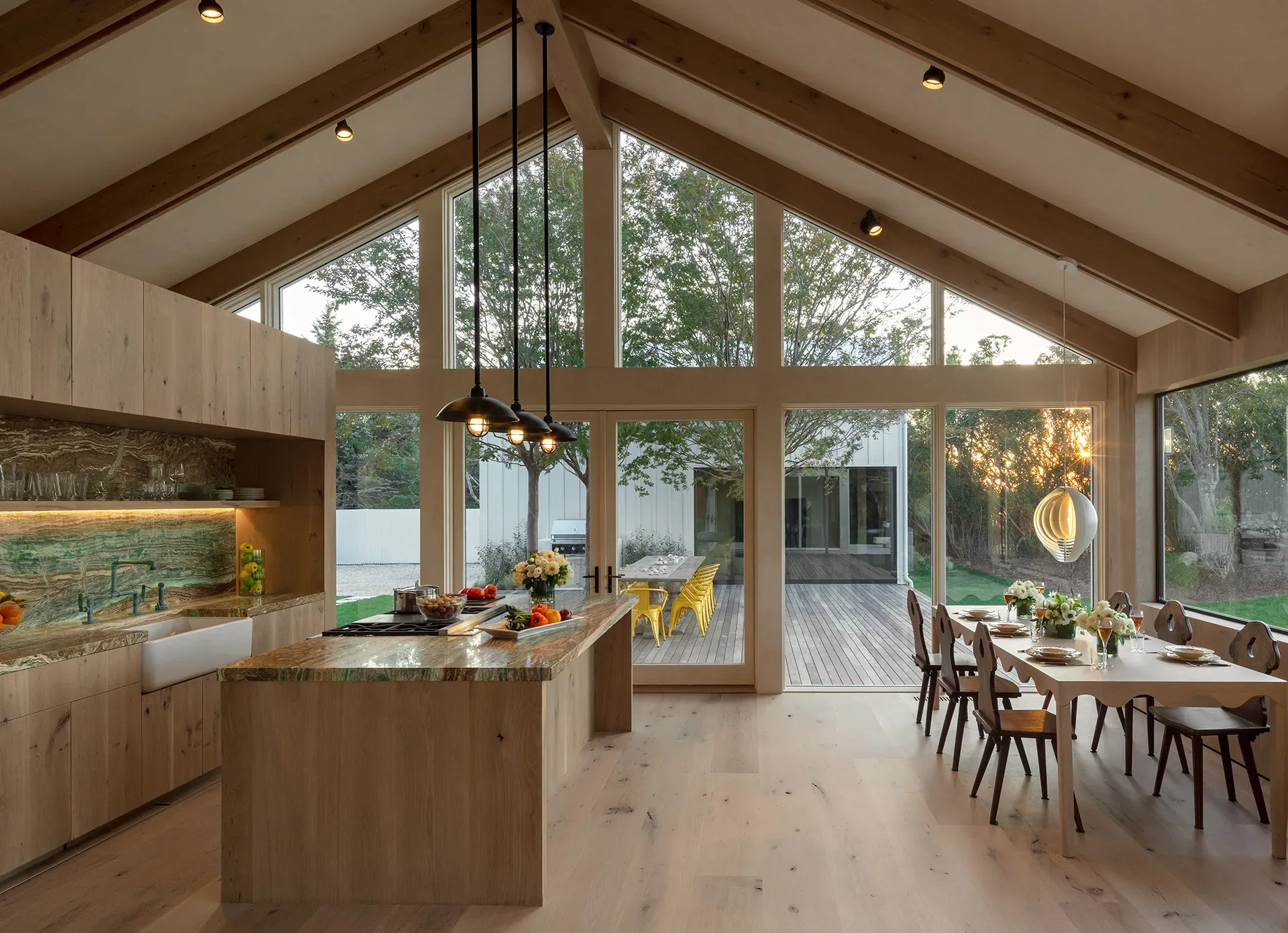
On Saturday, October 31, the sun sets over Armonk at 5:52. On Sunday, November 1, it sets at 4:51. By the middle of the month it is 4:36, and from the first week of December until Christmas it holds at about 4:26. For roughly three months the house wants its lights on at a quarter to five, which is before most people are home and well before dinner.
What happens in most houses is this. Someone comes in at six, in the dark, and hits whatever switches are nearest the door, so the hall and the kitchen come on at full and the rest of the house stays black. The lamps in the living room are on timers that were set in March and now come on an hour late. The path lights are either off, because nobody remembered, or on all night, because somebody did. None of it is a disaster. It is just a house that does not know what time it is.
A lighting control system knows. Lutron and Savant both carry what the trade calls an astronomical clock: the system is told where the house is, it works out sunset for that spot every day of the year, and it moves with it. Nothing is reprogrammed on November 1, nothing is reset in March, and the lights that are supposed to come on at dusk come on at dusk, whether dusk is 8:30 in June or 4:26 in December.
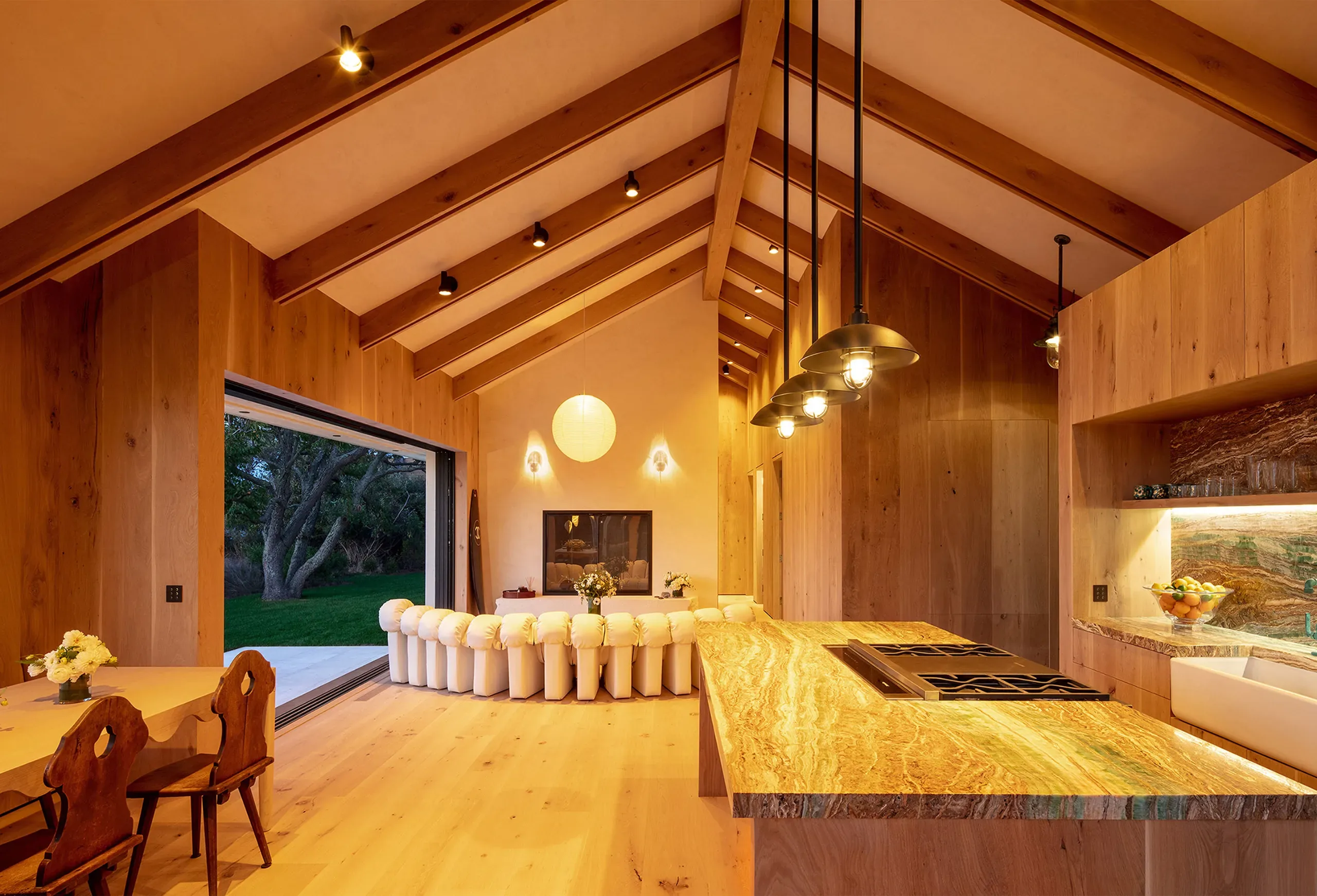
The part that takes some thought is what should come on. The instinct is everything, and everything is wrong. A room with every recessed light at 100 percent looks like an office. The scene we usually program for the end of the day is table lamps and under-cabinet light at around 60 percent, the pendants over the island, the hallway low enough to walk through and no brighter, and the overheads in the living room off or near it. It fades in over a few seconds rather than snapping on. Where the fixtures allow it, the colour of the light warms as the evening goes on, so the kitchen at 9pm is not the kitchen at 5pm.
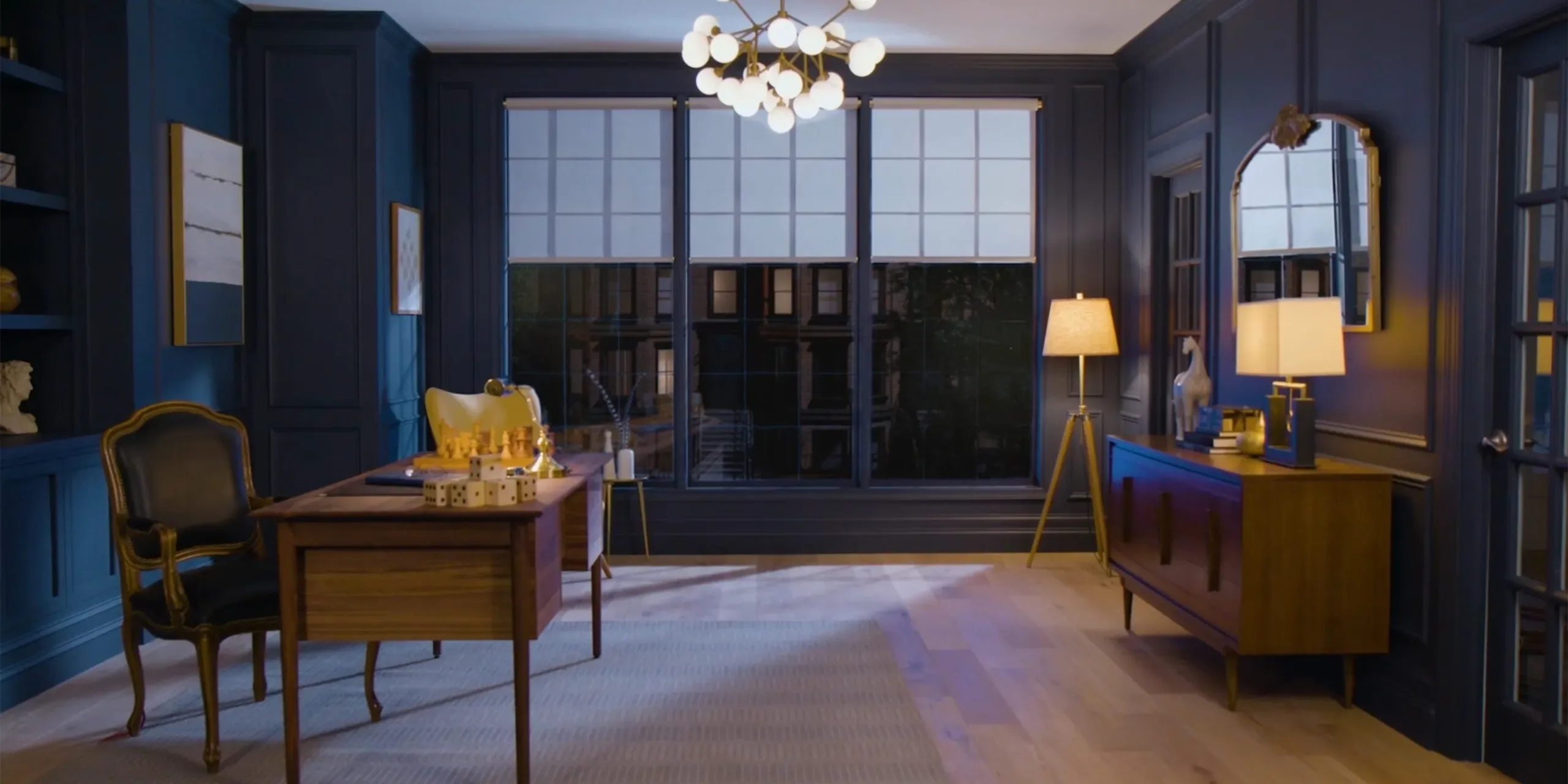
Shades belong in the same conversation, because a lit room with the shades up is a shop window from the street. In most houses we close the front of the house at dusk, in the same event that brings the lamps up, and leave the garden side open until later. Motorized shading from Lutron runs on the same clock as the lights, so this is one line in the programming rather than a second routine someone has to remember.
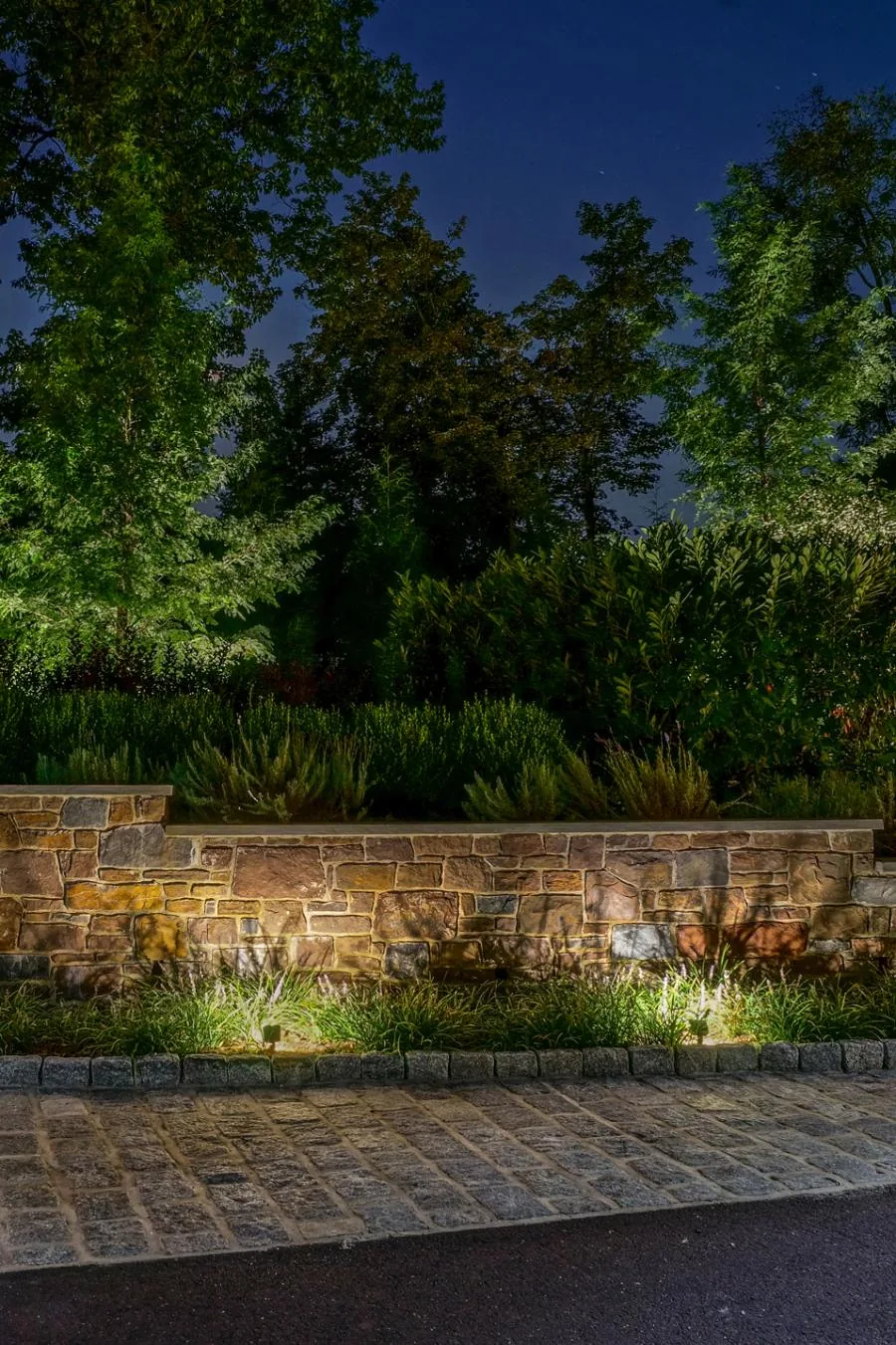
Outside matters more in November than in any other month, because a 5:15 arrival home now means a dark driveway. Path lights, step lights and the lanterns at the door come on at sunset and go off at eleven, or whenever the household turns in. The front door scene can also be called from the car on the phone, or from one keypad in the mudroom, so the house is lit by the time the groceries are out of the trunk. Outdoor lighting that is on a schedule is also the only outdoor lighting that gets used, in our experience.
The morning is the other half of this and gets forgotten. Sunrise on December 7 is 7:06, so the kitchen at 6:30 is as dark as it was at 6:30 the night before. A morning scene is the evening scene in reverse: brighter, cooler, the kitchen and the bathrooms first, the bedrooms left alone. On a Savant house it comes up with the thermostat and, if you want, the news in the kitchen.
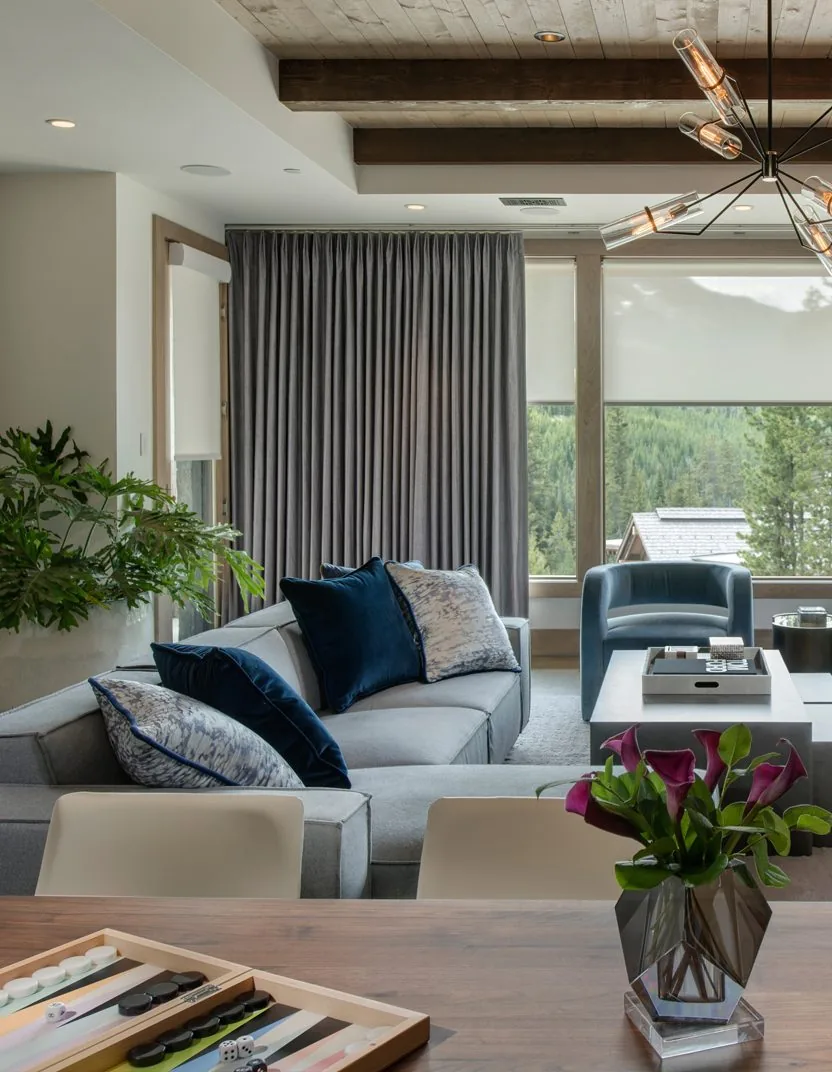
None of this needs a new system if there is already one in the house. On a house that runs on Lutron RadioRA 3 or HomeWorks, or on Savant, these are programming changes, and they take about an hour on a service visit. If the house has switches and lamp timers, a few rooms of Lutron and one keypad at the door is where most people start, and the rest of the house follows when it is ready.
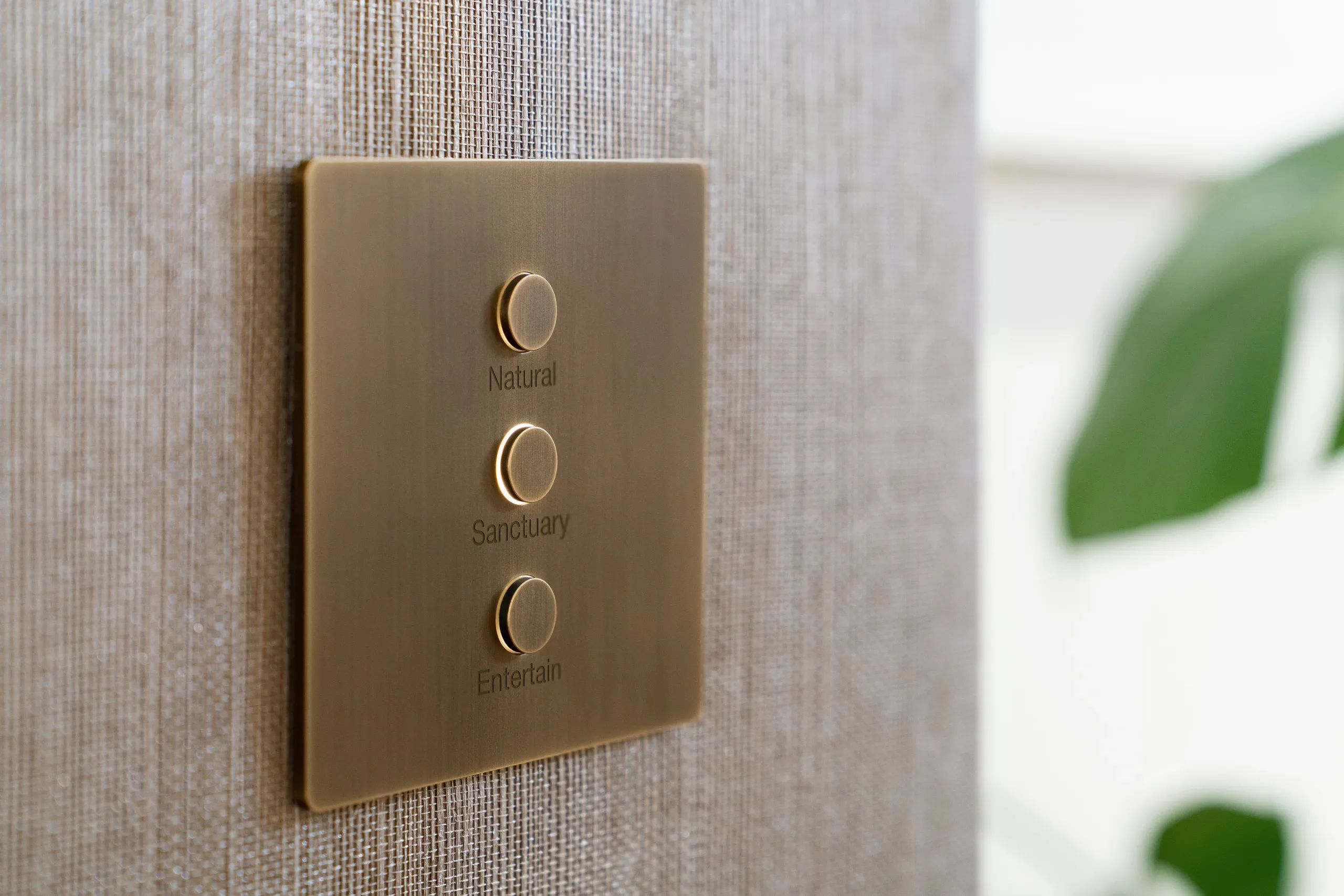
The date that matters is November 1. Tell us about the house before then and the lights will be on at 4:45 without anyone having to think about it. If you would like to see what a whole day of this looks like, we wrote one down: a day at home.
Start a project
Tell us about the space. We'll come out and give you a straightforward plan.
The consultation is complimentary and it starts with a walkthrough or a set of drawings. You will leave it knowing what is realistic in your house, what it costs, and what can wait until phase two.